Documented since 1097, the village has been the scene of royal donations, agrarian disputes, and a detailed system of tributes that endured for centuries. The Catastro of the Marqués de la Ensenada (1753) and the Madoz Dictionary (1835) portray a modest community of homes, beehives, blacksmiths, and taverns, sustained by daily labor and discreet spirituality.
Documented since 1097, the village has been the scene of royal donations, agrarian disputes, and a detailed system of tributes that endured for centuries. The Catastro of the Marqués de la Ensenada (1753) and the Madoz Dictionary (1835) portray a modest community of homes, beehives, blacksmiths, and taverns, sustained by daily labor and discreet spirituality.
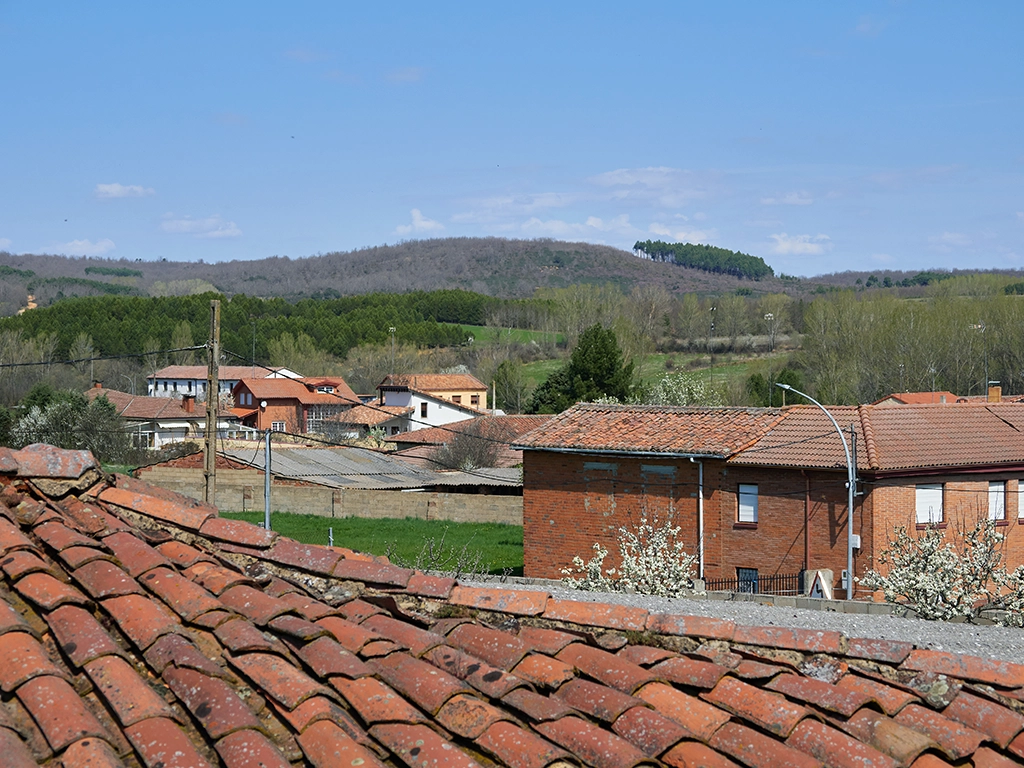
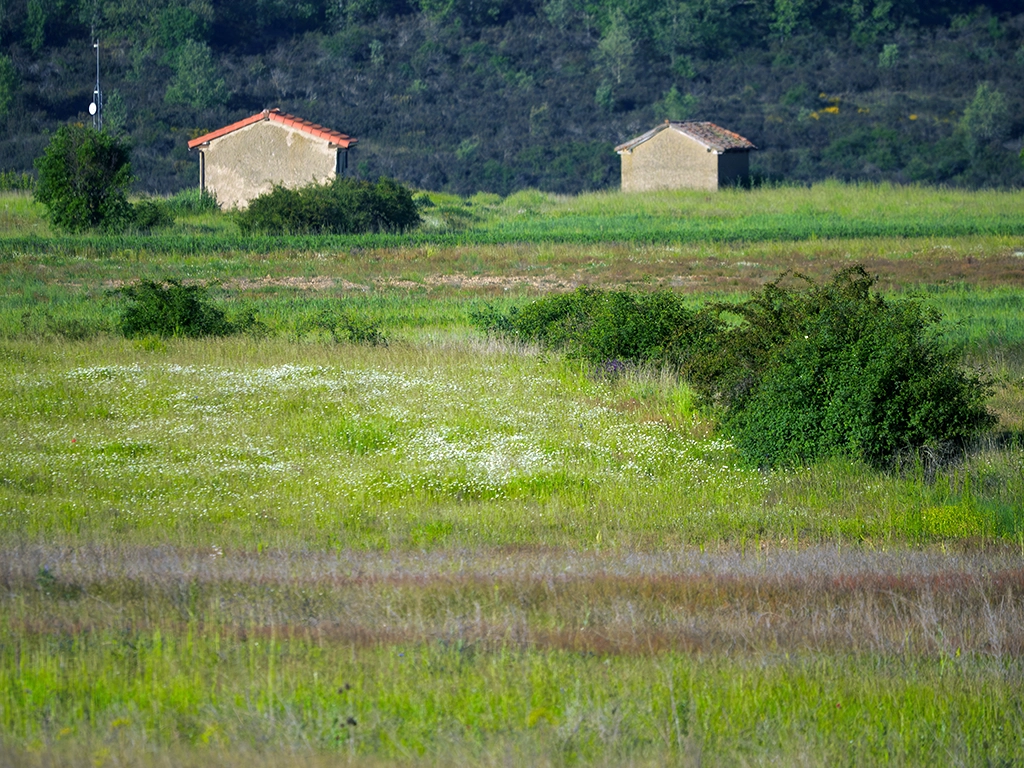
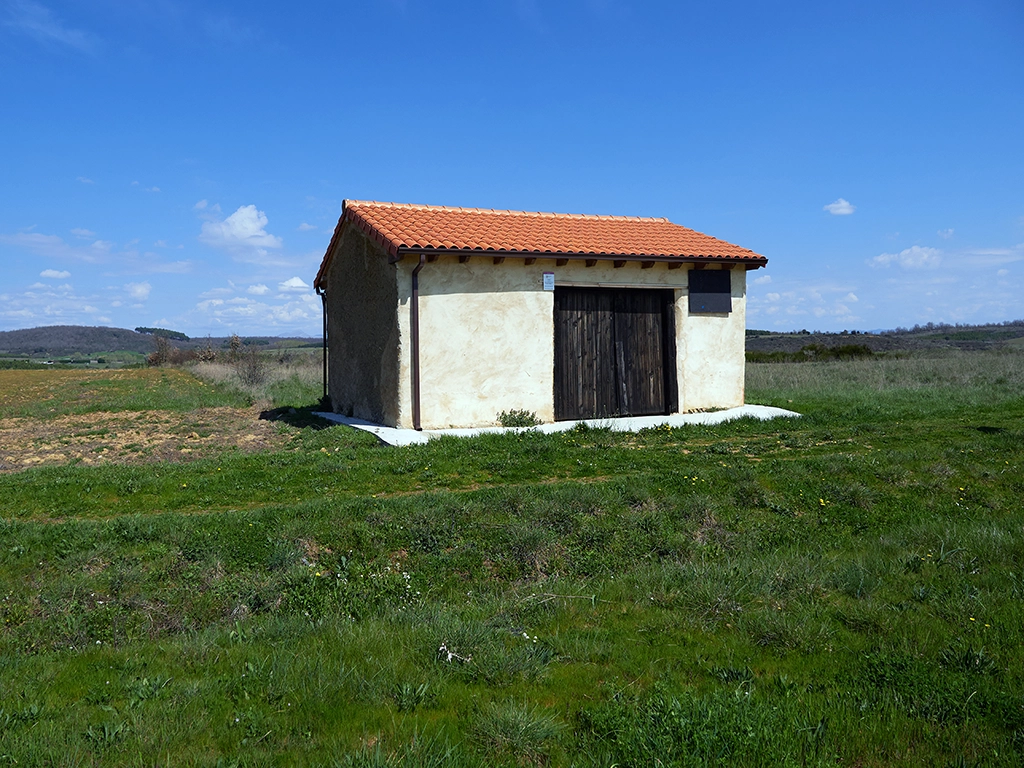
In a landscape that does not shout but murmurs, Villafeliz de la Sobarriba rises without pretension, hidden among gentle hills and roads that seem to lead nowhere urgent. From afar, it is barely more than a name among many: a hamlet of a few houses, a modest church, a whisper in the vast Leonese plain. And yet, within it beats a dense, accumulated history, manifested not in monuments but in gestures, images, and altarpieces that have survived as much as they have been scarred.

The parish church, faithful to the sober canon of the 16th century, consists of a single nave, with a protective porch and a straight apse. Inside stands a high altarpiece with five vertical panels and two horizontal tiers—a baroque piece that seeks not to dazzle but to envelop. There is no grandiloquence here, only contained devotion: a rural churrigueresque example where ornamentation multiplies into a gentle murmur. At the center, a Christ in the Tomb lies on a white shroud, with a calm that is not absence but assurance. Beneath him, an engraved inscription recalls the forty-day indulgence granted by Bishop Alfonso Fernández de Pantoja to anyone who recites a Credo before this image.
Saint Roch crowns the central panel of the upper tier, with his wound exposed and his faithful dog bearing bread. He is not only the saint of plague, but of the pilgrim and the one awaiting healing. Below, a polychrome wooden Immaculate Conception seems to float, oblivious to the weight of the structure. Her estofado still gleams under the dim light of the church, embodying more than dogma—the spiritual delicacy of a people who have contemplated more than they have spoken.
But the altarpiece bears its scars too. Two of its panels—those of Saint Martin and Saint Raymond Nonnatus—were repainted without permission or record around 1937, in the midst of the Civil War. Modern, clumsy brushstrokes, alien to the whole, perhaps covered them out of protection, or perhaps from untutored devotion. No one knows who did it or why, but those anonymous hands left their trace of faith too: the kind that does not know, but loves. That acts out of fear that forgetting might be worse than error.
What is seen is merely a layer of what has been. Villafeliz has been documented at least since January 19, 1097, when Bravolio Gutiérrez sold land in this area (Villa Felici). In 1192, King Alfonso IX granted half the village to San Isidoro by royal decree, suggesting the other half already belonged to the church. Among the oldest detailed texts is the memorial of fueros from 1313 to 1324, establishing payments, offerings, tithes, and neighborhood rights. Hens, maravedís, silver coins… Everything was regulated as if every agricultural act and every religious feast were also a way of ordering the world.
In 1472, the villagers, along with those of Santovenia del Monte, were condemned for interfering in the lands and grains of the Dean and Chapter of León. The ruling names names: Pedro Texerina, Catalina Fernández, Ruy González, Gonzalo Fernández… Each one a life, a face, a legacy.
The Catastro of the Marqués de la Ensenada, which began on April 15, 1753, details the local economy with almost domestic precision. An ox was worth 150 reales, a cow 100. There were thirty-five beehives among neighbors like Isidro Castro, Pedro Diego, or María Fernández, widow. The blacksmith, Bartola Martínez, earned two reales a day. 321 reales were paid in alcabalas, and there was one tavern yielding 250 reales per year. Everything was a record, but also a portrait: a humble, self-sufficient society, clinging to its rhythm.
In 1835, Madoz offers a final snapshot: 22 houses, a parish church dedicated to Saint Fabian and Saint Sebastian, two fountains with good water, a cold climate, prone to fevers. The soil, of average quality. They grew grains, flax, vegetables. They raised livestock, hunted hares and partridges. Twenty neighbors, eighty-four souls. And, as always, the silence of those who do not appear in records but sustain everything.
Such is Villafeliz: a place where faith does not impose, but endures. Where every image, every document, every medieval tribute is also an act of permanence. And where even today, if one enters the church and stands before that Christ in the Tomb, one may feel not only serenity but the promise of a history that has never ceased to beat—even if no one lays claim to it.
In a landscape that does not shout but murmurs, Villafeliz de la Sobarriba rises without pretension, hidden among gentle hills and roads that seem to lead nowhere urgent. From afar, it is barely more than a name among many: a hamlet of a few houses, a modest church, a whisper in the vast Leonese plain. And yet, within it beats a dense, accumulated history, manifested not in monuments but in gestures, images, and altarpieces that have survived as much as they have been scarred.
The parish church, faithful to the sober canon of the 16th century, consists of a single nave, with a protective porch and a straight apse. Inside stands a high altarpiece with five vertical panels and two horizontal tiers—a baroque piece that seeks not to dazzle but to envelop. There is no grandiloquence here, only contained devotion: a rural churrigueresque example where ornamentation multiplies into a gentle murmur. At the center, a Christ in the Tomb lies on a white shroud, with a calm that is not absence but assurance. Beneath him, an engraved inscription recalls the forty-day indulgence granted by Bishop Alfonso Fernández de Pantoja to anyone who recites a Credo before this image.
Saint Roch crowns the central panel of the upper tier, with his wound exposed and his faithful dog bearing bread. He is not only the saint of plague, but of the pilgrim and the one awaiting healing. Below, a polychrome wooden Immaculate Conception seems to float, oblivious to the weight of the structure. Her estofado still gleams under the dim light of the church, embodying more than dogma—the spiritual delicacy of a people who have contemplated more than they have spoken.
But the altarpiece bears its scars too. Two of its panels—those of Saint Martin and Saint Raymond Nonnatus—were repainted without permission or record around 1937, in the midst of the Civil War. Modern, clumsy brushstrokes, alien to the whole, perhaps covered them out of protection, or perhaps from untutored devotion. No one knows who did it or why, but those anonymous hands left their trace of faith too: the kind that does not know, but loves. That acts out of fear that forgetting might be worse than error.
What is seen is merely a layer of what has been. Villafeliz has been documented at least since January 19, 1097, when Bravolio Gutiérrez sold land in this area (Villa Felici). In 1192, King Alfonso IX granted half the village to San Isidoro by royal decree, suggesting the other half already belonged to the church. Among the oldest detailed texts is the memorial of fueros from 1313 to 1324, establishing payments, offerings, tithes, and neighborhood rights. Hens, maravedís, silver coins… Everything was regulated as if every agricultural act and every religious feast were also a way of ordering the world.
In 1472, the villagers, along with those of Santovenia del Monte, were condemned for interfering in the lands and grains of the Dean and Chapter of León. The ruling names names: Pedro Texerina, Catalina Fernández, Ruy González, Gonzalo Fernández… Each one a life, a face, a legacy.
The Catastro of the Marqués de la Ensenada, which began on April 15, 1753, details the local economy with almost domestic precision. An ox was worth 150 reales, a cow 100. There were thirty-five beehives among neighbors like Isidro Castro, Pedro Diego, or María Fernández, widow. The blacksmith, Bartola Martínez, earned two reales a day. 321 reales were paid in alcabalas, and there was one tavern yielding 250 reales per year. Everything was a record, but also a portrait: a humble, self-sufficient society, clinging to its rhythm.
In 1835, Madoz offers a final snapshot: 22 houses, a parish church dedicated to Saint Fabian and Saint Sebastian, two fountains with good water, a cold climate, prone to fevers. The soil, of average quality. They grew grains, flax, vegetables. They raised livestock, hunted hares and partridges. Twenty neighbors, eighty-four souls. And, as always, the silence of those who do not appear in records but sustain everything.
Such is Villafeliz: a place where faith does not impose, but endures. Where every image, every document, every medieval tribute is also an act of permanence. And where even today, if one enters the church and stands before that Christ in the Tomb, one may feel not only serenity but the promise of a history that has never ceased to beat—even if no one lays claim to it.

Discover Sobrarriba through an unforgettable journey through its heritage, culture and landscapes. The Sobrarriba Cultural Route offers guided tours and detailed explanations at various points of interest, combining history, architecture, traditions and nature in a unique experience.
Each route is designed to suit different types of travellers: from walkers and cyclists to those who prefer horse riding or even hot air ballooning. Join us on a journey through time and delve into the secrets of a land that has witnessed centuries of history.

Discover Sobrarriba through an unforgettable journey through its heritage, culture and landscapes. The Sobrarriba Cultural Route offers guided tours and detailed explanations at various points of interest, combining history, architecture, traditions and nature in a unique experience.
Each route is designed to suit different types of travellers: from walkers and cyclists to those who prefer horse riding or even hot air ballooning. Join us on a journey through time and delve into the secrets of a land that has witnessed centuries of history.