The wildlife of La Sobarriba is the pulse that gives voice to a landscape in transition. Where oak groves give way to the open countryside and the Porma River dictates the rhythm of the banks, nature reveals itself as a mosaic of fleeting encounters: a roe deer’s track in the mud, the skylark’s song over the drylands, or the circling flight of kites. In this corner of León, nature is not merely observed; it is felt through a biodiversity woven into the furrows of the plow and the whisper of the irrigation channels.
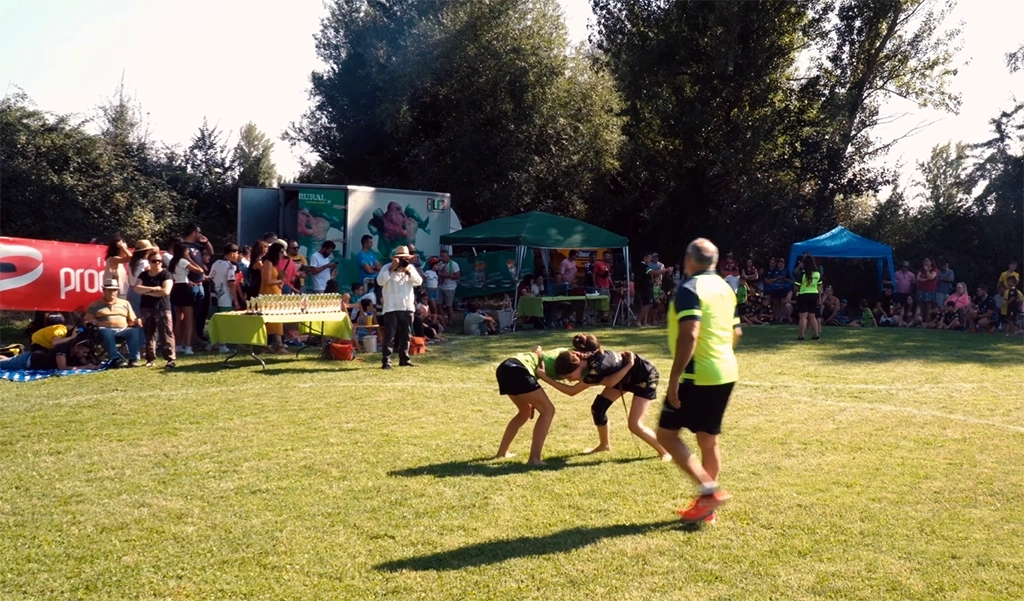
En La Sobarriba, como en otras comarcas del alfoz leonés, la lucha se practicó durante siglos en contextos festivos y comunitarios: romerías, ferias, celebraciones patronales, encuentros entre pueblos vecinos. El corro —ese círculo de hierba pisada o de tierra batida— funcionaba como un espacio simbólico donde se suspendía la jerarquía cotidiana. Allí no importaban ni la riqueza, ni la edad, ni el linaje, sino la habilidad, la técnica y el respeto a las reglas no escritas transmitidas de generación en generación.

La importancia de la lucha leonesa en La Sobarriba reside también en su carácter pedagógico y moral. Luchar no era humillar al otro, sino aprender a caer, a levantarse, a aceptar la derrota con dignidad y la victoria con mesura. El agarre al cinturón, firme pero reglado, representa una ética concreta: la fuerza solo es legítima cuando está contenida por la norma y el reconocimiento mutuo. En este sentido, la lucha es una metáfora perfecta del mundo rural tradicional, donde la convivencia exigía equilibrio, contención y sentido del límite.
Además, la lucha leonesa forma parte del patrimonio inmaterial de La Sobarriba en tanto que memoria viva. Muchos nombres, historias y gestos se han transmitido oralmente: luchadores recordados no solo por sus caídas memorables, sino por su carácter, su nobleza o su manera de entrar al corro. Cada pueblo conserva anécdotas, apodos, relatos que vinculan la lucha a la identidad local, convirtiéndola en un archivo corporal de la historia comarcal.
En un territorio que hoy afronta el riesgo del despoblamiento y la pérdida de tradiciones, la lucha leonesa adquiere un valor renovado. No como espectáculo folclórico vacío, sino como símbolo de continuidad, de arraigo y de resistencia cultural. Mantener viva la lucha en La Sobarriba es mantener viva una forma de entender el cuerpo, la comunidad y el tiempo; es afirmar que la cultura no solo se escribe en libros o archivos, sino también en los gestos repetidos, en los rituales compartidos y en la memoria de los cuerpos que se enfrentan y se respetan dentro de un corro.
Así, la lucha leonesa sigue siendo en La Sobarriba algo más que una tradición: es una expresión profunda de identidad, una manera de decir que este territorio, aunque cambiante, conserva aún la fuerza silenciosa de sus raíces.

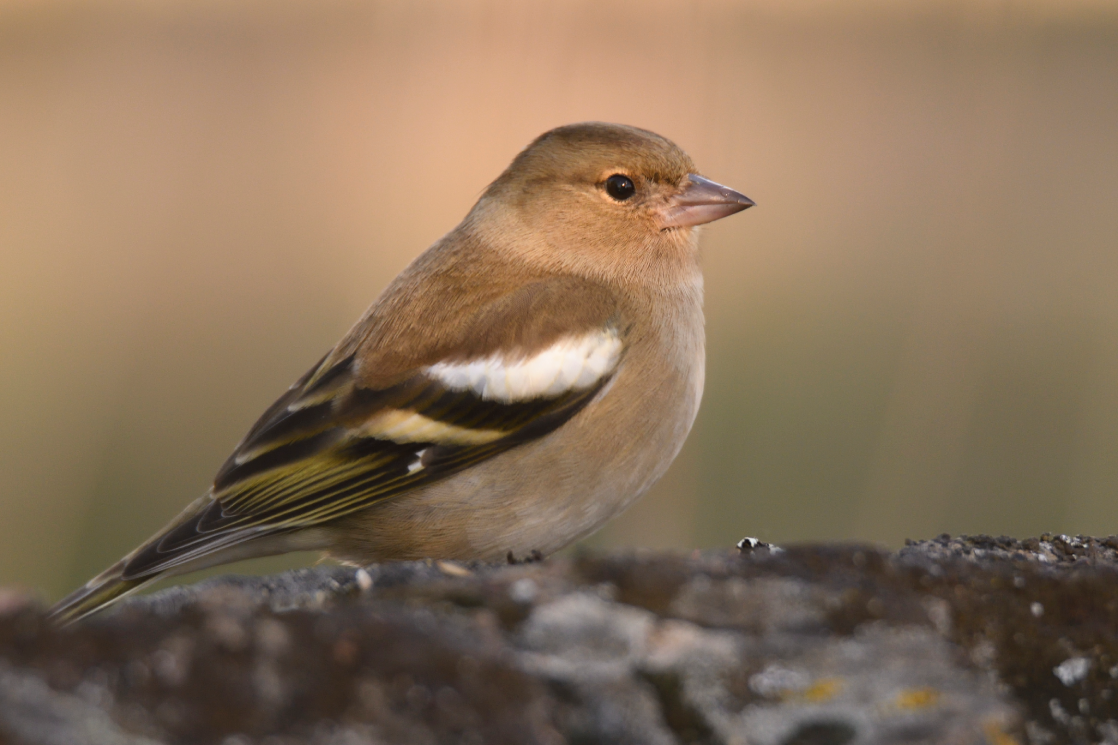
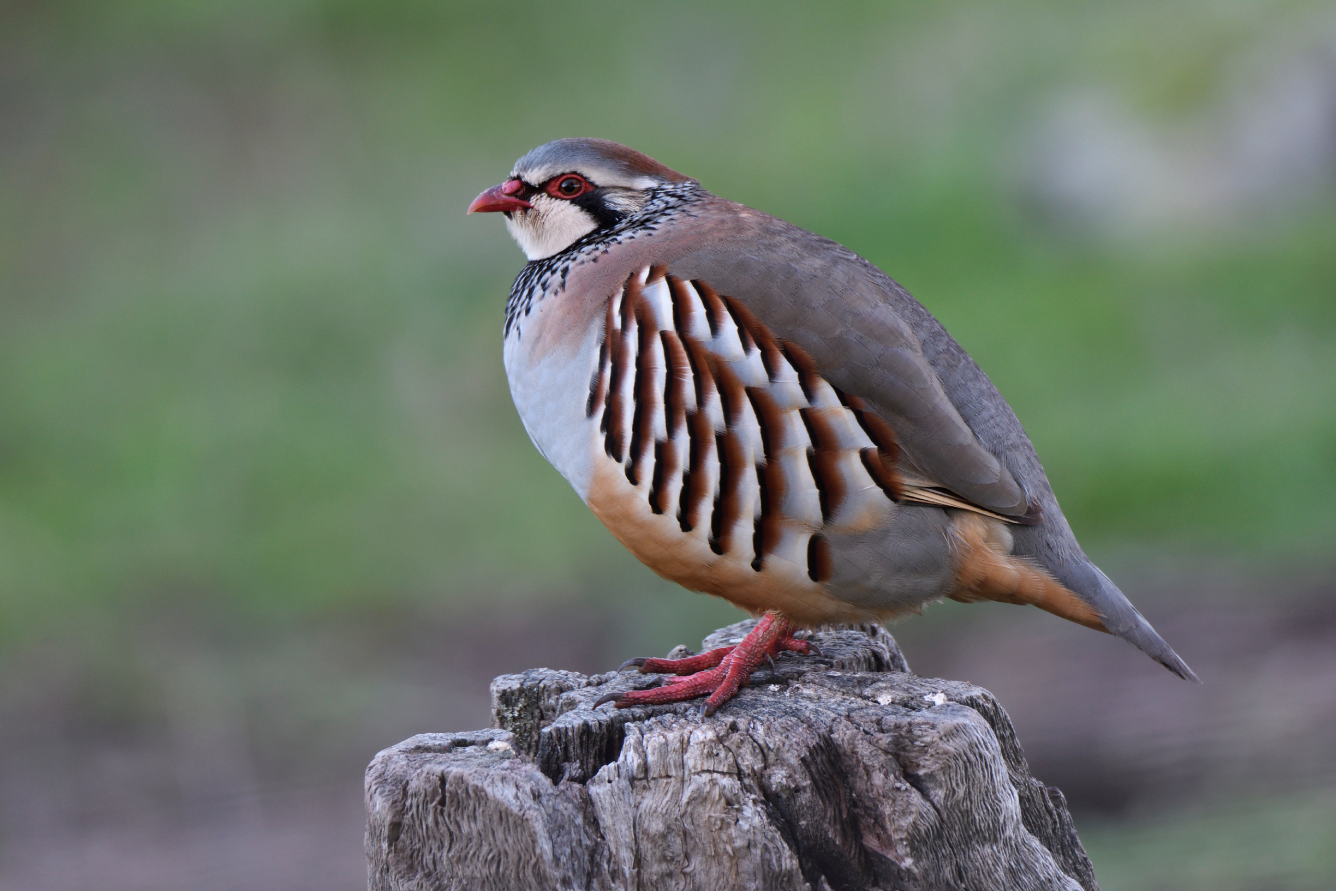
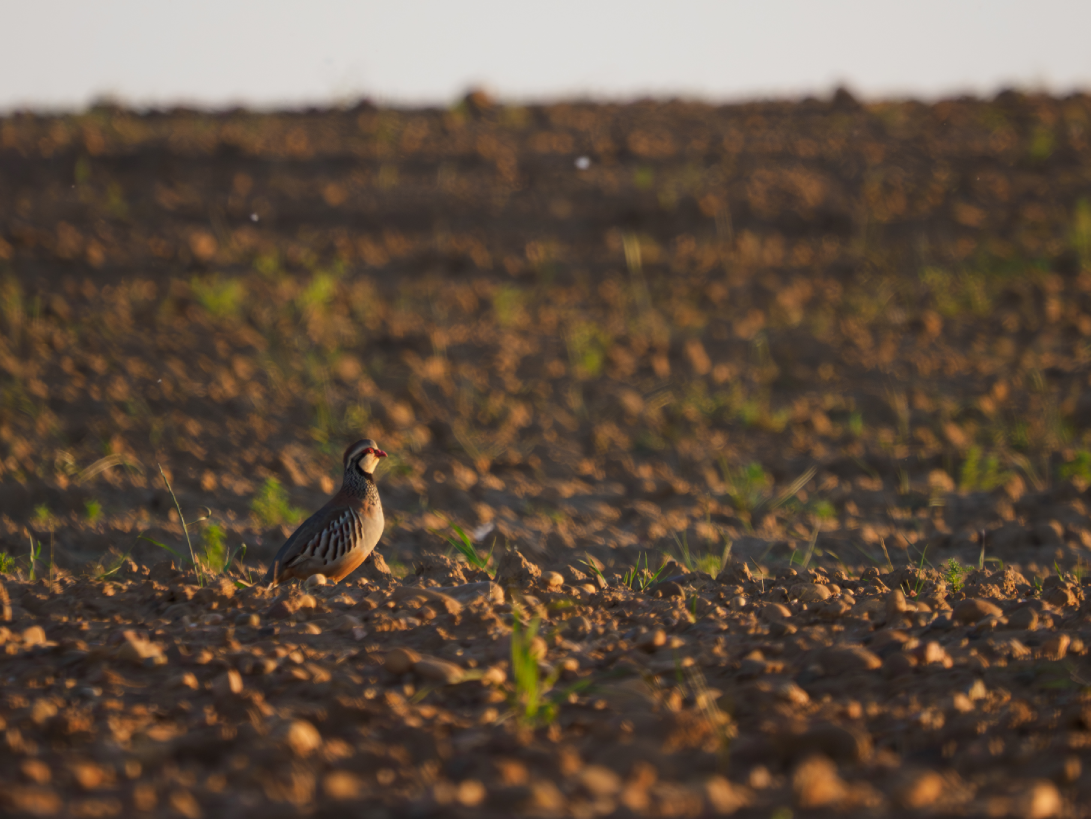
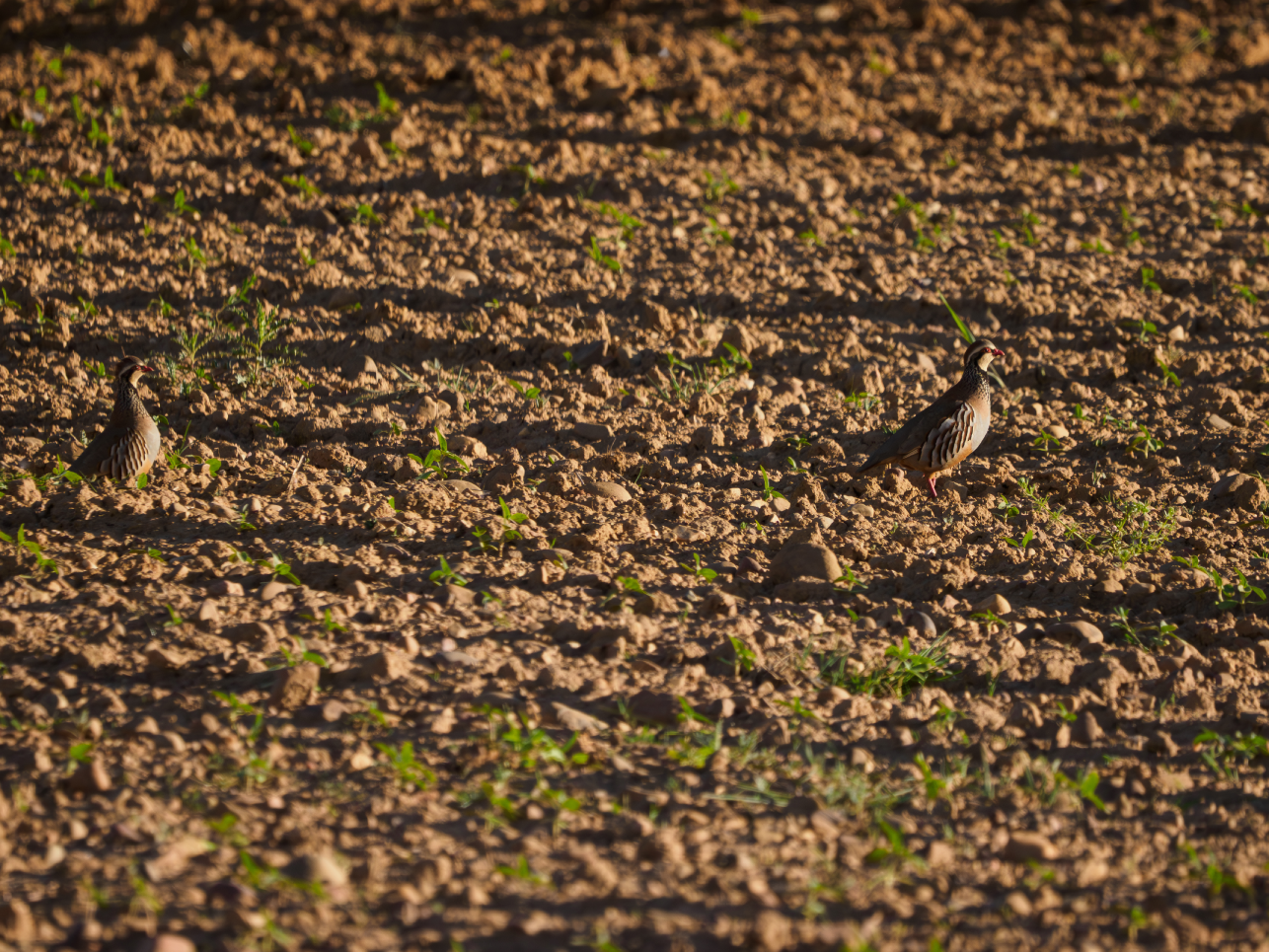
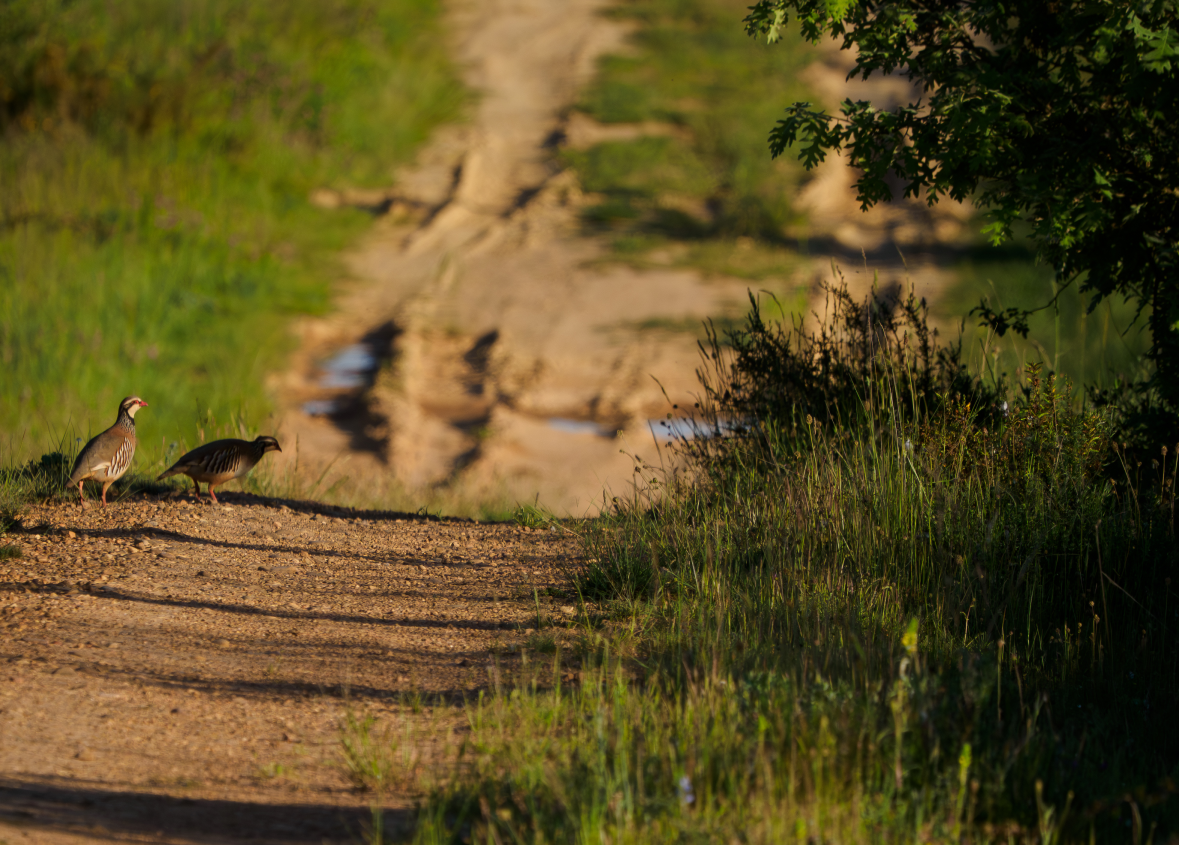
In open areas dominated by crops and grasslands, bird species associated with agricultural environments are abundant. In spring, the songs of larks and woodlarks stand out, while in summer, the call of the common quail can be heard, hidden among the stubble. The red-legged partridge, a year-round resident, is typical of hillsides and drylands. In humanized areas, house sparrows, tree sparrows, starlings, and magpies are very common, as are flocks of carrion crows, which form winter roosts of hundreds of individuals and have been studied for their cooperative behavior. In winter, they are joined by rooks, another social corvid. Shrikes—great grey, red-backed, and lesser grey—hunt from posts and hedgerows, and meadows and shrubs are home to stonechats, corn buntings, and flocks of goldfinches, serins, and chaffinches. Although La Sobarriba is not a steppe, steppe birds of great interest, such as the great bustard and the little bustard, are occasionally sighted. More common are lapwings and golden plovers feeding in the wet fields during winter.
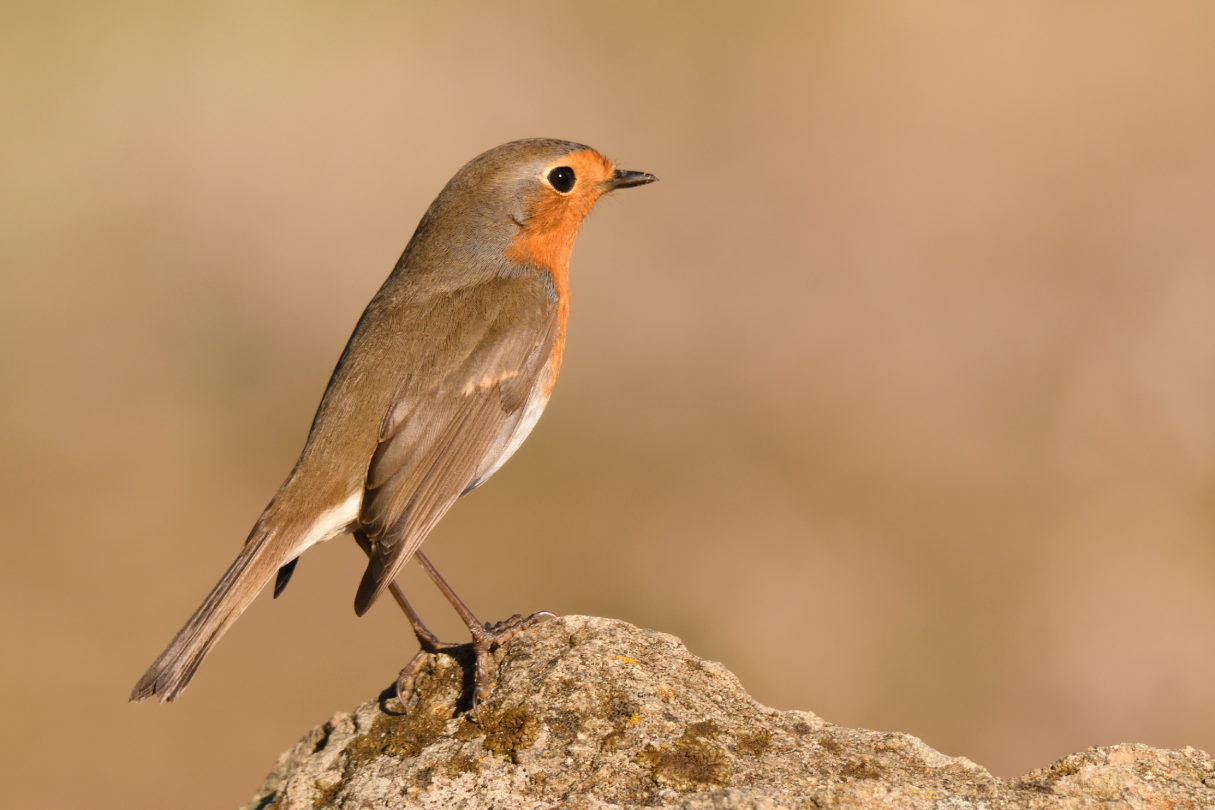
The small oak groves and hedgerows dividing the fields provide refuge for woodland birds. There one finds robins, nightingales, blackbirds, and song thrushes, joined in winter by redwings. The dense riverside vegetation shelters warblers, while swallows and house martins hunt insects in flight and nest in buildings. Woodpeckers—green and great spotted—inhabit poplar groves and riparian woods, alongside jays, tits, and blue tits. Among forest raptors, the sparrowhawk can be seen, a specialist in ambushing small birds from the trees. In some denser riverbank areas, more discreet species such as the purple heron in summer or the water rail can be heard or sighted.
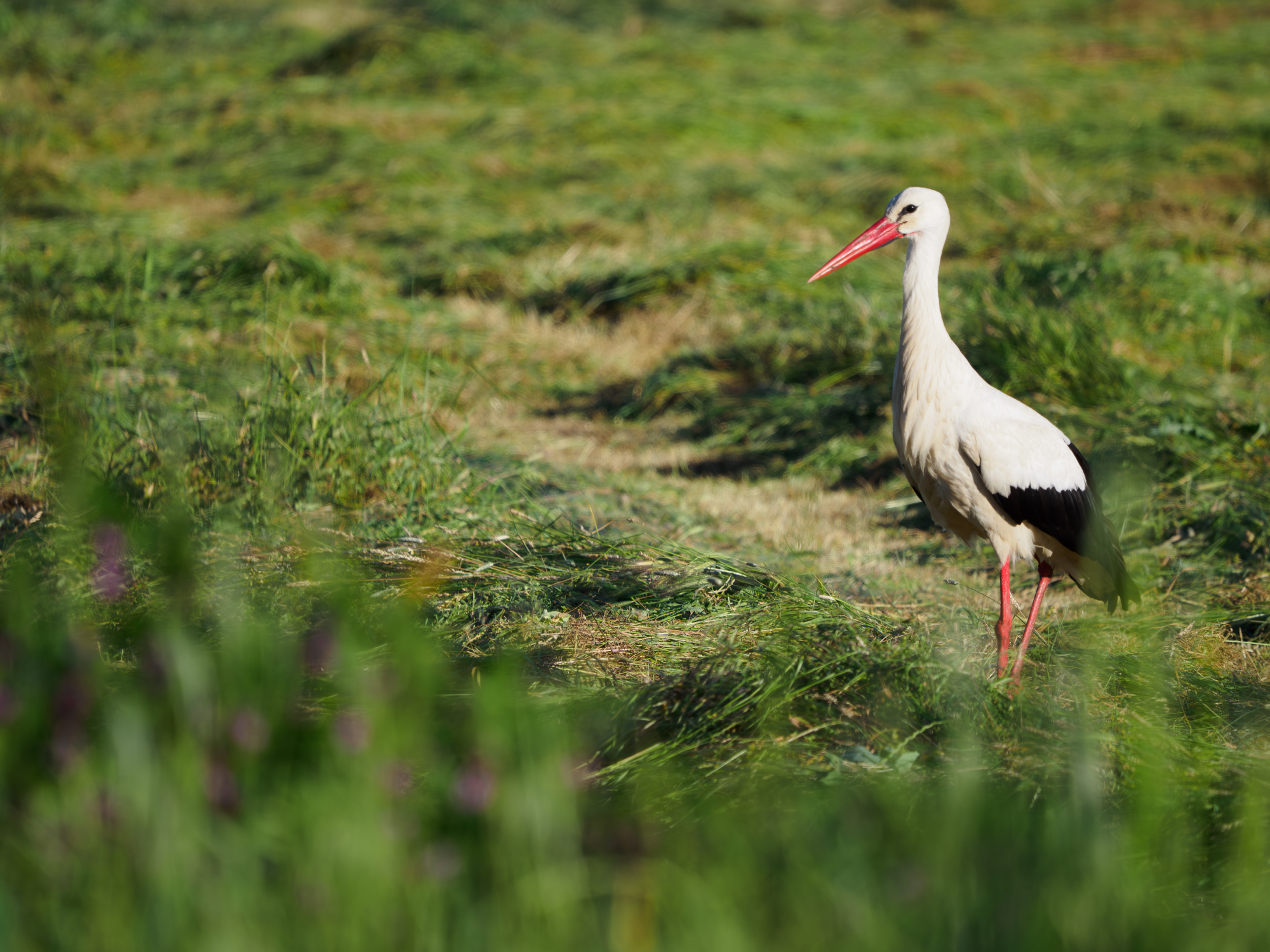
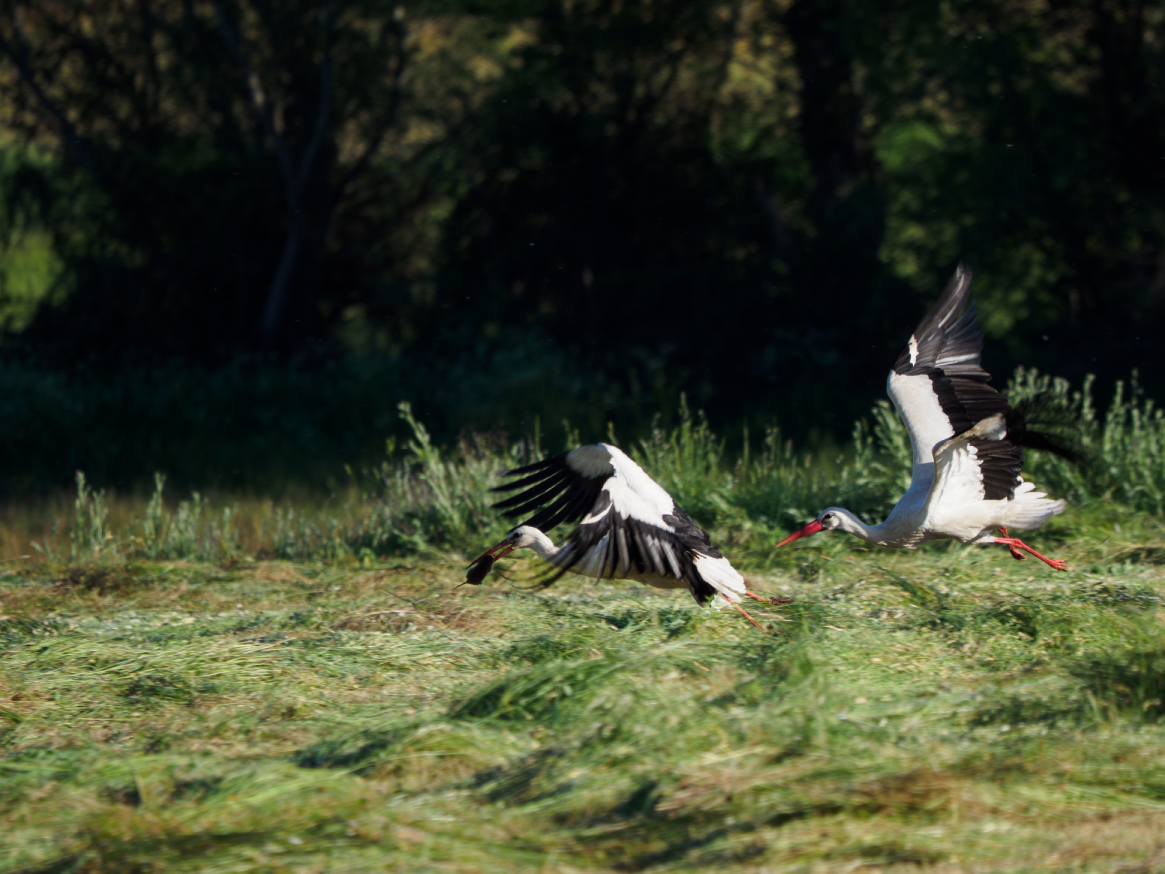
Water-related areas such as the Porma River, seasonal streams, and irrigation ponds are essential for waterbirds. The white stork is the most visible, nesting on towers and churches and feeding in meadows. Muddy banks host waders like the little ringed plover, black-winged stilt, and common sandpiper.
The ponds attract migratory ducks: mallards, teal, northern shovelers, gadwalls, and occasionally grebes and pochards. The common coot and little grebe are present year-round. The kingfisher is a highlight, diving into the river, along with the grey heron, overwintering cormorants, and in summer, colonies of colorful European bee-eaters. During this season, the song of the cuckoo is also heard among the riverside trees.
The region is especially rich in birds of prey, which take advantage of the abundance of prey (mice, rabbits, insects, and small birds). The common buzzard is very frequent, often seen soaring over the fields, as is the common kestrel. In summer, black kites and Montagu’s harriers arrive, replaced in winter by red kites—which form large roosts—and the hen harrier. The marsh harrier is present year-round. Other raptors can also be spotted, such as the booted eagle, goshawk, and various falcons (honey buzzard, peregrine, and merlin), as well as the elegant black-winged kite, a species expanding its range. Occasionally, even a griffon vulture may fly over. Among nocturnal raptors, the little owl and the barn owl are common, associated with rural fields and buildings; in the forests live the tawny owl and, in summer, the scops owl.
Terrestrial fauna includes the red fox, beech marten, and weasel, common carnivores that prey on rabbits, birds, and small mammals. Among herbivores, the roe deer stands out, increasingly frequent in the cultivated and woodland mosaics, and the wild boar, abundant and sometimes problematic in agricultural areas. Iberian hares and rabbits are also visible, key prey for many predators. The community of small mammals (voles, mice, rats, shrews, and hedgehogs) supports these species. Various insectivorous bats, such as the common pipistrelle, complete the nocturnal fauna.
As for reptiles and amphibians, the region shows notable diversity. The common wall lizard and Iberian wall lizard are frequent on walls and stonework; the large-eyed ocellated lizard lives in shrub and rocky areas; and the blind worm lives underground. Common snake species include the Montpellier snake, the ladder snake, and the viperine snake (the latter associated with waterways). Amphibians benefit from ponds and streams and are highly diverse: midwife toad, natterjack toad, common toad, Iberian green frog, European tree frog, and newts (ribbed and marbled), all of which are important components of the ecosystem.
The biodiversity of La Sobarriba varies with the seasons. In spring, bird songs increase, summer visitors arrive to breed, and amphibians fill the ponds with their calls. In summer, wildlife is most active at dawn and dusk, when mammals are easiest to see. In autumn, the landscape fills with migratory birds, and in winter, wildlife becomes concentrated: red kites, crows, harriers, and flocks of small birds forage across the fields. Thus, throughout the year, this region offers a privileged setting for nature observation and enjoyment.
The wildlife of La Sobarriba is the pulse that brings its landscape to life. Amidst oak groves, open countryside, and the banks of the Porma River, nature reveals itself as a mosaic of fleeting encounters: from the roe deer’s track in the mud to the lark’s song breaking the silence of the drylands. This is a nature that is not merely observed, but felt in every corner—a place where biodiversity merges with the furrows of the plow and the constant murmur of the flowing waters.
The region of La Sobarriba, in the province of León, is characterized by an agricultural countryside landscape dotted with small oak groves (Pyrenean oak) and watercourses such as the Porma River. Dryland (mainly cereal) and irrigated crops predominate, with irrigation canals, along with pasturelands and some poplar groves along the riverbanks. These varied habitats support a rich diversity of wildlife. Particularly noteworthy is the birdlife, with numerous species of both resident and migratory birds, alongside a remarkable presence of mammals (from small rodents to roe deer and wild boars), as well as reptiles and amphibians typical of the León plateau.
La Sobarriba, located near León, is a transitional area between the open fields of the plateau and the wooded valleys of the Porma. Its landscape—composed of vast cereal fields, fallow land, small oak woods, and riverside groves—creates a mosaic of habitats that favor the presence of a wide variety of birds and wildlife throughout the year.
In open areas dominated by crops and grasslands, bird species associated with agricultural environments are abundant. In spring, the songs of larks and woodlarks stand out, while in summer, the call of the common quail can be heard, hidden among the stubble. The red-legged partridge, a year-round resident, is typical of hillsides and drylands. In humanized areas, house sparrows, tree sparrows, starlings, and magpies are very common, as are flocks of carrion crows, which form winter roosts of hundreds of individuals and have been studied for their cooperative behavior. In winter, they are joined by rooks, another social corvid. Shrikes—great grey, red-backed, and lesser grey—hunt from posts and hedgerows, and meadows and shrubs are home to stonechats, corn buntings, and flocks of goldfinches, serins, and chaffinches. Although La Sobarriba is not a steppe, steppe birds of great interest, such as the great bustard and the little bustard, are occasionally sighted. More common are lapwings and golden plovers feeding in the wet fields during winter.
The small oak groves and hedgerows dividing the fields provide refuge for woodland birds. There one finds robins, nightingales, blackbirds, and song thrushes, joined in winter by redwings. The dense riverside vegetation shelters warblers, while swallows and house martins hunt insects in flight and nest in buildings. Woodpeckers—green and great spotted—inhabit poplar groves and riparian woods, alongside jays, tits, and blue tits. Among forest raptors, the sparrowhawk can be seen, a specialist in ambushing small birds from the trees. In some denser riverbank areas, more discreet species such as the purple heron in summer or the water rail can be heard or sighted.
Water-related areas such as the Porma River, seasonal streams, and irrigation ponds are essential for waterbirds. The white stork is the most visible, nesting on towers and churches and feeding in meadows. Muddy banks host waders like the little ringed plover, black-winged stilt, and common sandpiper. The ponds attract migratory ducks: mallards, teal, northern shovelers, gadwalls, and occasionally grebes and pochards. The common coot and little grebe are present year-round. The kingfisher is a highlight, diving into the river, along with the grey heron, overwintering cormorants, and in summer, colonies of colorful European bee-eaters. During this season, the song of the cuckoo is also heard among the riverside trees.
The region is especially rich in birds of prey, which take advantage of the abundance of prey (mice, rabbits, insects, and small birds). The common buzzard is very frequent, often seen soaring over the fields, as is the common kestrel. In summer, black kites and Montagu’s harriers arrive, replaced in winter by red kites—which form large roosts—and the hen harrier. The marsh harrier is present year-round. Other raptors can also be spotted, such as the booted eagle, goshawk, and various falcons (honey buzzard, peregrine, and merlin), as well as the elegant black-winged kite, a species expanding its range. Occasionally, even a griffon vulture may fly over. Among nocturnal raptors, the little owl and the barn owl are common, associated with rural fields and buildings; in the forests live the tawny owl and, in summer, the scops owl.
Terrestrial fauna includes the red fox, beech marten, and weasel, common carnivores that prey on rabbits, birds, and small mammals. Among herbivores, the roe deer stands out, increasingly frequent in the cultivated and woodland mosaics, and the wild boar, abundant and sometimes problematic in agricultural areas. Iberian hares and rabbits are also visible, key prey for many predators. The community of small mammals (voles, mice, rats, shrews, and hedgehogs) supports these species. Various insectivorous bats, such as the common pipistrelle, complete the nocturnal fauna.
As for reptiles and amphibians, the region shows notable diversity. The common wall lizard and Iberian wall lizard are frequent on walls and stonework; the large-eyed ocellated lizard lives in shrub and rocky areas; and the blind worm lives underground. Common snake species include the Montpellier snake, the ladder snake, and the viperine snake (the latter associated with waterways). Amphibians benefit from ponds and streams and are highly diverse: midwife toad, natterjack toad, common toad, Iberian green frog, European tree frog, and newts (ribbed and marbled), all of which are important components of the ecosystem.
The biodiversity of La Sobarriba varies with the seasons. In spring, bird songs increase, summer visitors arrive to breed, and amphibians fill the ponds with their calls. In summer, wildlife is most active at dawn and dusk, when mammals are easiest to see. In autumn, the landscape fills with migratory birds, and in winter, wildlife becomes concentrated: red kites, crows, harriers, and flocks of small birds forage across the fields. Thus, throughout the year, this region offers a privileged setting for nature observation and enjoyment.

Descubre la Sobarriba a través de un recorrido inolvidable por su patrimonio, cultura y paisajes. La Ruta Cultural de la Sobrarriba ofrece visitas guiadas y explicaciones detalladas en varios puntos de interés, combinando historia, arquitectura, tradiciones y naturaleza en una experiencia única.
Cada ruta está diseñada para adaptarse a diferentes tipos de viajeros: desde caminantes y ciclistas hasta quienes prefieren rutas a caballo o incluso en globo aerostático. Acompáñanos en un viaje en el tiempo y adéntrate en los secretos de una tierra que ha sido testigo de siglos de historia.

Descubre la Sobarriba a través de un recorrido inolvidable por su patrimonio, cultura y paisajes. La Ruta Cultural de la Sobrarriba ofrece visitas guiadas y explicaciones detalladas en varios puntos de interés, combinando historia, arquitectura, tradiciones y naturaleza en una experiencia única.
Cada ruta está diseñada para adaptarse a diferentes tipos de viajeros: desde caminantes y ciclistas hasta quienes prefieren rutas a caballo o incluso en globo aerostático. Acompáñanos en un viaje en el tiempo y adéntrate en los secretos de una tierra que ha sido testigo de siglos de historia.