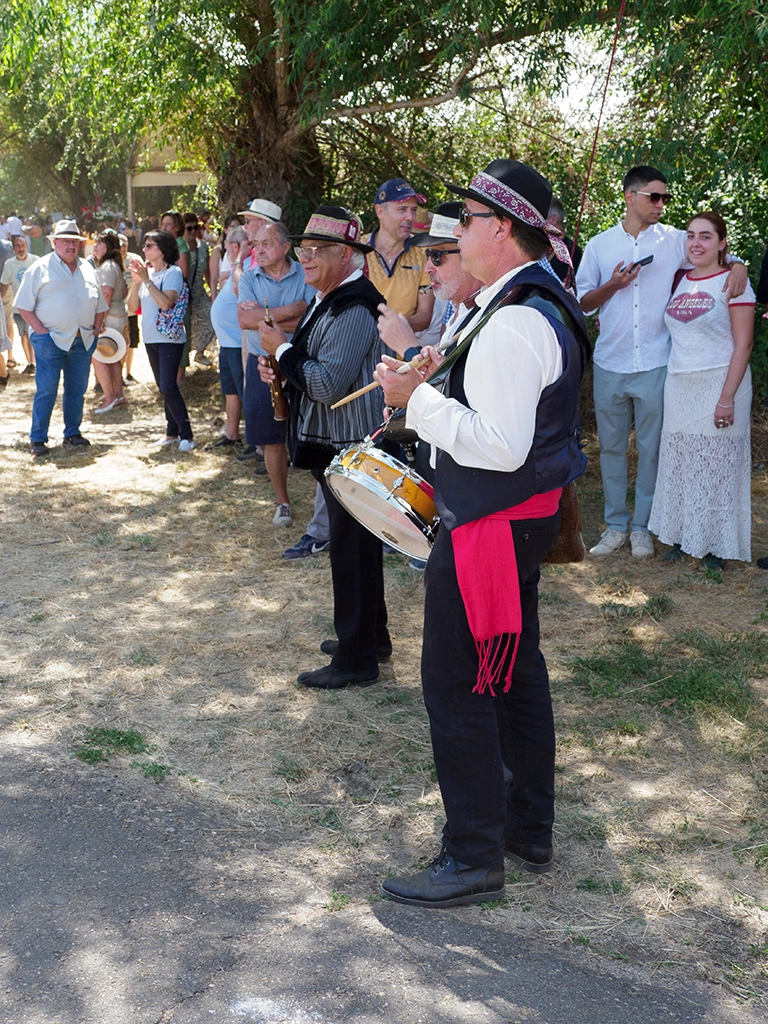
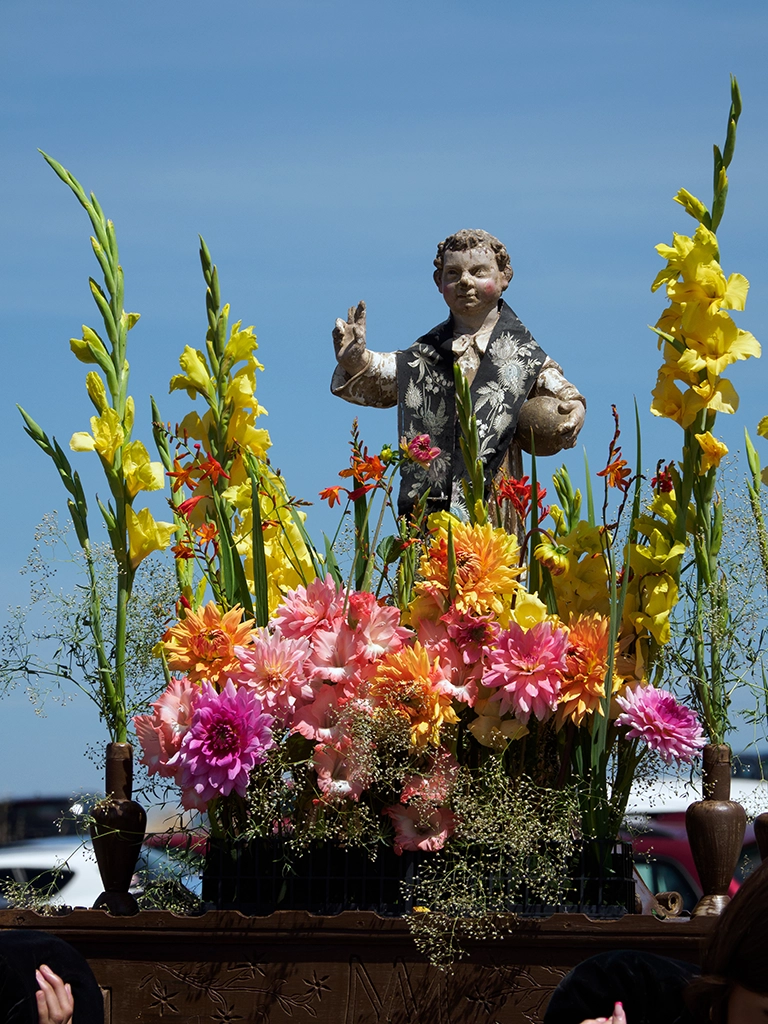
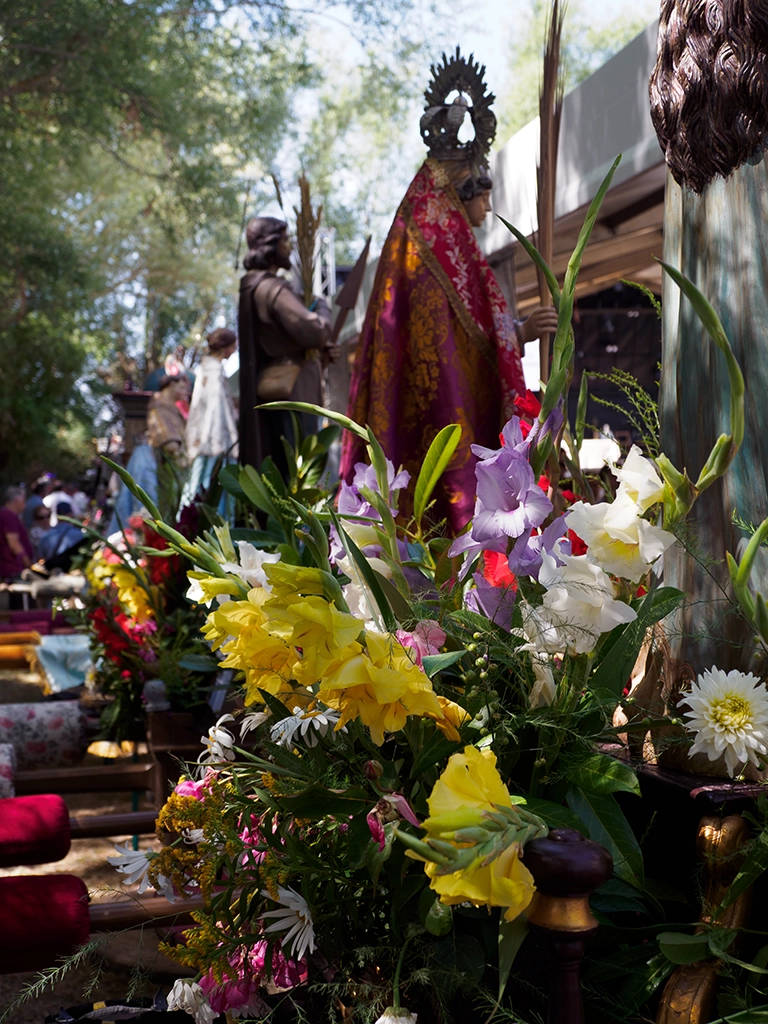
Celebrations in Valdefresno mark the rhythm of the year just as much as the seasons do in the fields. Each village in the municipality honours its patron saint with living traditions that weave together faith, memory, and community.
Celebrations in Valdefresno mark the rhythm of the year just as much as the seasons do in the fields. Each village in the municipality honours its patron saint with living traditions that weave together faith, memory, and community. The shared festivity is held on October 5th, in honour of San Froilán, celebrated across all localities as a symbol of unity. Throughout the calendar year, each village adds its own accent: San Esteban in Corbillos and Solanilla, Our Lady of Sorrows in Paradilla and Villafeliz, San Blas in Tendal and Villalboñe, Santa Águeda in Santovenia, San Juan in Arcahueja and Valdelafuente, San Bartolomé in Villavente, among others.
The shared festivity is held on October 5th, in honour of San Froilán, celebrated across all localities as a symbol of unity. Throughout the calendar year, each village adds its own accent: San Esteban in Corbillos and Solanilla, Our Lady of Sorrows in Paradilla and Villafeliz, San Blas in Tendal and Villalboñe, Santa Águeda in Santovenia, San Juan in Arcahueja and Valdelafuente, San Bartolomé in Villavente, among others.

In Valdefresno’s annual cycle, the seasons are not only marked by agricultural rhythms but also by the festivals that cross the calendar like smoke signals of a collective identity—with their popular liturgies, their bells and banners. Here, traditions are not mere relics, but a living flame. In every village, religious and popular celebrations become moments of gathering, remembrance, and shared joy.
Among the most deeply rooted is the 5th of October, the day of San Froilán, unanimously celebrated across the municipality. On that day, like a quiet tide crossing fields and paths, devotion joins custom, and collective memory regains its heartbeat. It is the shared date, the symbol of unity in diversity.
Each village, however, adds its own personal tone. Arcahueja honours San Juan on August 15th and also San Froilán on October 5th. In Carbajosa, Our Lady is celebrated on September 8th, while Corbillos de la Sobarriba reveres San Esteban with great devotion on December 26th.
Golpejar marks San Andrés on November 30th. Paradilla celebrates Our Lady of Sorrows on September 15th, accompanied by the colour and solemnity of the Cofradía de las Capas Pardas.
Navafría commemorates San Martín on November 11th, and Sanfelismo honours Our Lady of the Rosary on October 7th. In Santa Olaja del Porma, the date is December 10th, feast of Santa Eulalia, while Santibáñez del Porma remembers St. John the Beheaded on August 29th.
Women play a central role in Santovenia del Monte, where Santa Águeda is honoured on February 5th, a tradition maintained with enthusiasm across generations. In Solanilla and Corbillos, San Esteban is again celebrated on December 26th, echoing medieval tones.
Tendal and Villalboñe share the celebration of San Blas every February 3rd, while Valdefresno, the head of the municipality, honours San Cornelio on September 16th. Valdelafuente celebrates San Juan on June 24th, the summer solstice, with bonfires and hope.
Villacete commemorates San Clemente on September 9th, and Villacil venerates San Justo on August 6th. Villafeliz joins Paradilla in the devotion to Our Lady of Sorrows on September 15th, a ritual suspended between faith and memory.
In Villaseca, the main festival is held on the second Sunday of July, as a prelude to the summer festivities. And Villavente, with its church perched on the hill, honours San Bartolomé every August 24th, in the waning days of summer.
On the last Sunday of July, Valdefresno becomes a festive mosaic where the traditions of its villages converge in music, sports, and communal joy. It is a day when the entire municipality gathers to celebrate what unites them, with a vibrant, diverse programme that brings past and present together, solemnity and celebration.
The festivals of Valdefresno are not just events: they are affirmations of shared life, moments of reunion, and joyful tributes to the culture of its twenty-one villages. Because although each one has its own tone and its own patron saint, on the last Sunday of July, they all beat in unison.
Thus, in every celebration, the deep pulse of a land is revived—one that, although scattered across villages and names, is united by the same echoes: the bell, the sacred image, the banner in the wind, and the shared table. For here, the festival is not only a religious act—it is an act of belonging.
In Valdefresno’s annual cycle, the seasons are not only marked by agricultural rhythms but also by the festivals that cross the calendar like smoke signals of a collective identity—with their popular liturgies, their bells and banners. Here, traditions are not mere relics, but a living flame. In every village, religious and popular celebrations become moments of gathering, remembrance, and shared joy.
Among the most deeply rooted is the 5th of October, the day of San Froilán, unanimously celebrated across the municipality. On that day, like a quiet tide crossing fields and paths, devotion joins custom, and collective memory regains its heartbeat. It is the shared date, the symbol of unity in diversity.
Each village, however, adds its own personal tone. Arcahueja honours San Juan on August 15th and also San Froilán on October 5th. In Carbajosa, Our Lady is celebrated on September 8th, while Corbillos de la Sobarriba reveres San Esteban with great devotion on December 26th.
Golpejar marks San Andrés on November 30th. Paradilla celebrates Our Lady of Sorrows on September 15th, accompanied by the colour and solemnity of the Cofradía de las Capas Pardas.
Navafría commemorates San Martín on November 11th, and Sanfelismo honours Our Lady of the Rosary on October 7th. In Santa Olaja del Porma, the date is December 10th, feast of Santa Eulalia, while Santibáñez del Porma remembers St. John the Beheaded on August 29th.
Women play a central role in Santovenia del Monte, where Santa Águeda is honoured on February 5th, a tradition maintained with enthusiasm across generations. In Solanilla and Corbillos, San Esteban is again celebrated on December 26th, echoing medieval tones.
Tendal and Villalboñe share the celebration of San Blas every February 3rd, while Valdefresno, the head of the municipality, honours San Cornelio on September 16th. Valdelafuente celebrates San Juan on June 24th, the summer solstice, with bonfires and hope.
Villacete commemorates San Clemente on September 9th, and Villacil venerates San Justo on August 6th. Villafeliz joins Paradilla in the devotion to Our Lady of Sorrows on September 15th, a ritual suspended between faith and memory.
In Villaseca, the main festival is held on the second Sunday of July, as a prelude to the summer festivities. And Villavente, with its church perched on the hill, honours San Bartolomé every August 24th, in the waning days of summer.
On the last Sunday of July, Valdefresno becomes a festive mosaic where the traditions of its villages converge in music, sports, and communal joy. It is a day when the entire municipality gathers to celebrate what unites them, with a vibrant, diverse programme that brings past and present together, solemnity and celebration.
The festivals of Valdefresno are not just events: they are affirmations of shared life, moments of reunion, and joyful tributes to the culture of its twenty-one villages. Because although each one has its own tone and its own patron saint, on the last Sunday of July, they all beat in unison.
Thus, in every celebration, the deep pulse of a land is revived—one that, although scattered across villages and names, is united by the same echoes: the bell, the sacred image, the banner in the wind, and the shared table. For here, the festival is not only a religious act—it is an act of belonging.

Discover Sobrarriba through an unforgettable journey through its heritage, culture and landscapes. The Sobrarriba Cultural Route offers guided tours and detailed explanations at various points of interest, combining history, architecture, traditions and nature in a unique experience.
Each route is designed to suit different types of travellers: from walkers and cyclists to those who prefer horse riding or even hot air ballooning. Join us on a journey through time and delve into the secrets of a land that has witnessed centuries of history.

Discover Sobrarriba through an unforgettable journey through its heritage, culture and landscapes. The Sobrarriba Cultural Route offers guided tours and detailed explanations at various points of interest, combining history, architecture, traditions and nature in a unique experience.
Each route is designed to suit different types of travellers: from walkers and cyclists to those who prefer horse riding or even hot air ballooning. Join us on a journey through time and delve into the secrets of a land that has witnessed centuries of history.