As early as the year 970, the village was mentioned in royal donations, and over the centuries it witnessed exchanges, vineyards, roads, and ties with monasteries such as Sahagún and Santa María de Carbajal. Due to its location, Valdelafuente was a point of transit on the Camino de Santiago since medieval times, although today that route is barely noticeable.
As early as the year 970, the village was mentioned in royal donations, and over the centuries it witnessed exchanges, vineyards, roads, and ties with monasteries such as Sahagún and Santa María de Carbajal. Due to its location, Valdelafuente was a point of transit on the Camino de Santiago since medieval times, although today that route is barely noticeable.
As early as the year 970, the village was mentioned in royal donations, and over the centuries it witnessed exchanges, vineyards, roads, and ties with monasteries such as Sahagún and Santa María de Carbajal. Due to its location, Valdelafuente was a point of transit on the Camino de Santiago since medieval times, although today that route is barely noticeable.
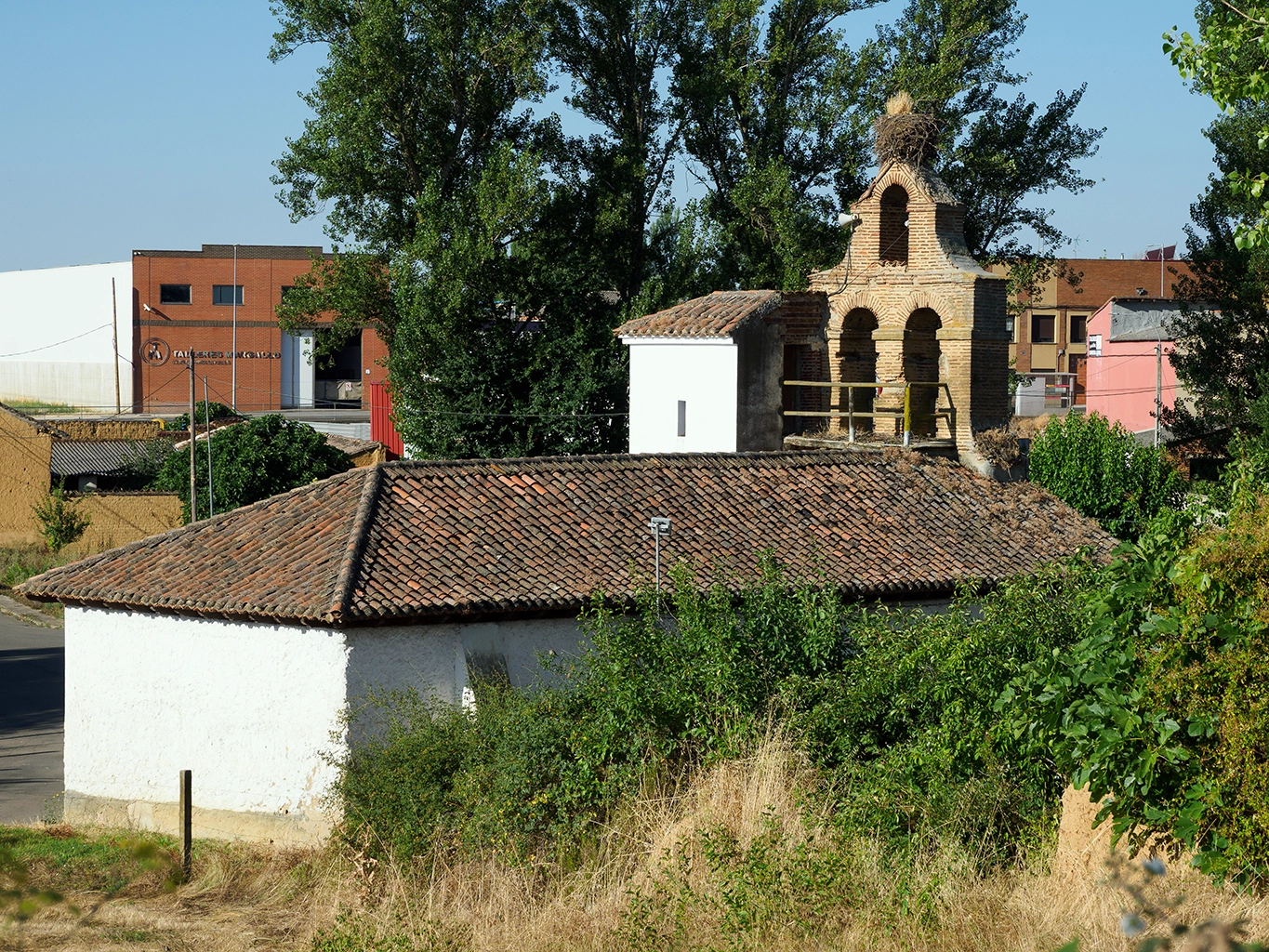
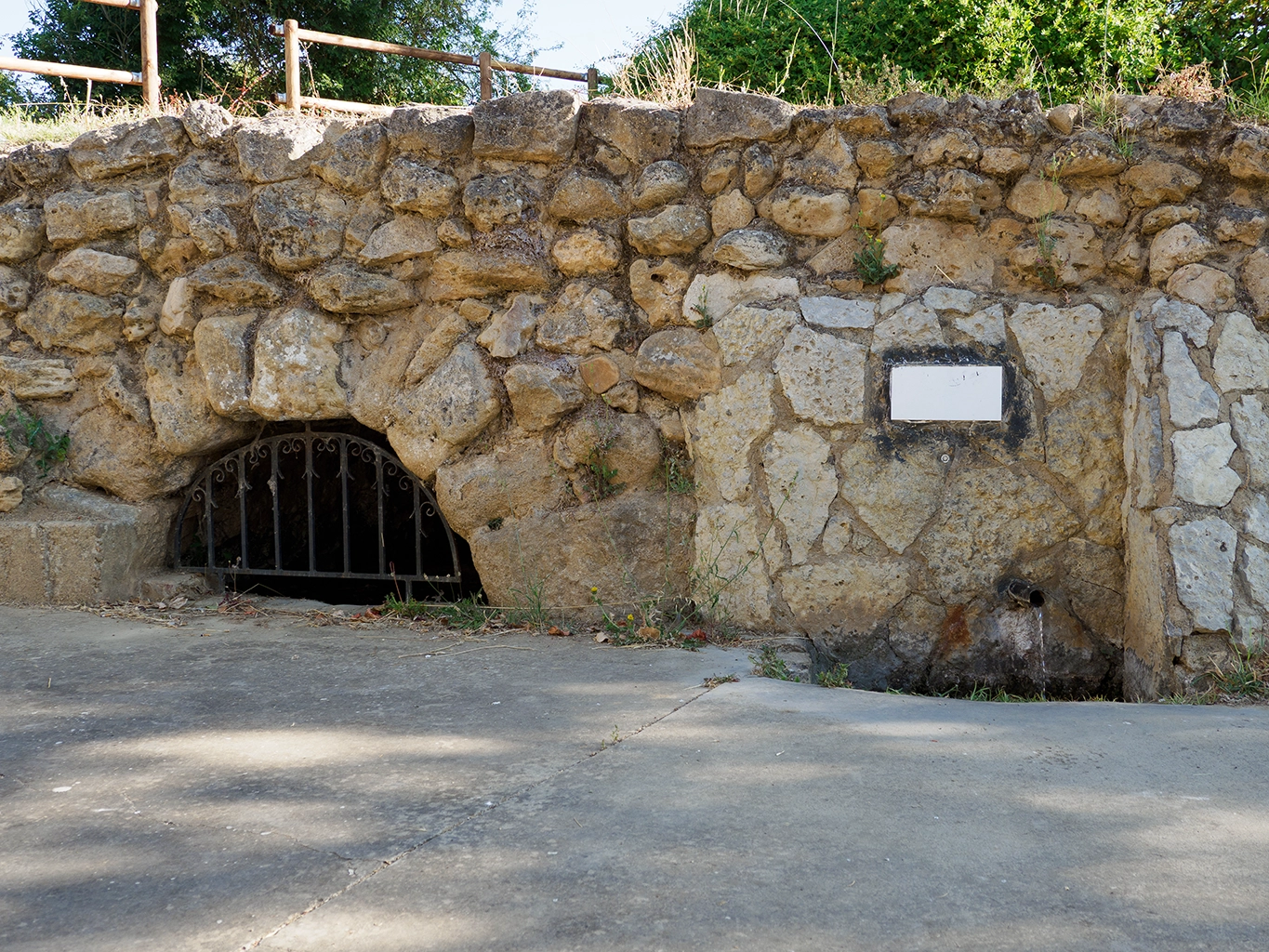
What one sees today upon arrival doesn’t quite match what the name suggests. There are industrial warehouses, fresh asphalt, soulless housing developments, and an activity that seems to have sprung up overnight, as if someone had decided to impose modernity on a place that, until recently, wasn’t even sure it wanted the future. The industrial estate—one of the most important in the municipality—now sets the pace, and the new houses, like hasty sprouts, have pushed the countryside, the silence, and the past back. And yet, something remains. Beneath the soft noise of development, a spring still flows. And that, in Valdelafuente, is no metaphor.

Because the village, despite appearances, is older than its asphalt and even older than its church. In 970, Princess Elvira included Valdelafonte among the estates she donated to the monastery of Sahagún, and half a century later, in 1025, the priest Justo donated to Santa María de León a vineyard he had bought there from a woman named Flora. Since then, the water of Valdelafuente has never ceased to run. In 1173, a document describes an estate next to the “via that runs from Uilla Nuova,” bordering houses, names, footprints. This was not just an agricultural site: even then, it was a point of passage, of exchange, of movement.
The discreet spring that still bubbles beside the church was, in a way, what gave the name and the settlement their meaning. The monks knew it, and wrote it down. Over time, that awareness became custom. In 1181, Archpriest Martino Dominichi sold land in Val de la Fonte, and the following year, another deed records the donation of a vineyard ad pratellum—“toward the meadow”—to the hospital of Saint Lazarus. In these transactions, there is more than economics: there is a spiritual geography woven between parcels and springs.
Today, little remains of that medieval heritage. The renovated church still retains that rural calm that needs no ornament to make its presence known. Inside, a Baroque image of Saint John the Baptist, patron of the village, presides with a serenity that doesn’t demand attention. But the true jewel—the real one—is the one that’s missing: a Gothic Virgin from the 13th or early 14th century, now housed in the Cathedral Museum of León. It measures barely 79 centimeters, yet in its wood survives what neither the centuries nor the display cases have been able to erase: a subtle transition from Romanesque to Gothic, like a tremor of sweetness in a sculpture that didn’t seek grandeur, but intimacy.
From the north, almost imperceptibly, the Camino de Santiago arrives. The trace is faint, barely visible to the untrained eye, but it’s there. Since the 13th century, when the Codex Calixtinus route was consolidated, Valdelafuente has been a silent witness to that flow of footsteps, prayers, and mud. The written history speaks of chaplaincies founded with local inheritances—like that of Johan González in 1301—or wills, such as that of Gonzalo Fernández, archdeacon of Oviedo, who in 1245 bequeathed his holdings in Valdelafuente to the monastery of Santa María de Carbajal. The village appears again and again: not for what it boasts, but for what it sustains.
In the 18th century, the Catastro of the Marqués de la Ensenada confirms what history hints at: a small village—just ten neighbors and 22 houses in 1753—but with beehives, dovecotes, vineyards, a priest who received all the tithes and paid the church of San Martín of León with two loads of wheat. The spring was still there, flowing, a constant in the midst of change. And it still flows today, among walls unsure whether they are ruins or witnesses.
That’s why, when one arrives in Valdelafuente, the name is not misleading. It merely hides. Beneath the concrete, between the recent developments, still beats the water that named everything. The spring murmurs. And in that murmur—older than industrial estates, more persistent than oblivion—the true voice of the village survives.
What one sees today upon arrival doesn’t quite match what the name suggests. There are industrial warehouses, fresh asphalt, soulless housing developments, and an activity that seems to have sprung up overnight, as if someone had decided to impose modernity on a place that, until recently, wasn’t even sure it wanted the future. The industrial estate—one of the most important in the municipality—now sets the pace, and the new houses, like hasty sprouts, have pushed the countryside, the silence, and the past back. And yet, something remains. Beneath the soft noise of development, a spring still flows. And that, in Valdelafuente, is no metaphor.
Because the village, despite appearances, is older than its asphalt and even older than its church. In 970, Princess Elvira included Valdelafonte among the estates she donated to the monastery of Sahagún, and half a century later, in 1025, the priest Justo donated to Santa María de León a vineyard he had bought there from a woman named Flora. Since then, the water of Valdelafuente has never ceased to run. In 1173, a document describes an estate next to the “via that runs from Uilla Nuova,” bordering houses, names, footprints. This was not just an agricultural site: even then, it was a point of passage, of exchange, of movement.
The discreet spring that still bubbles beside the church was, in a way, what gave the name and the settlement their meaning. The monks knew it, and wrote it down. Over time, that awareness became custom. In 1181, Archpriest Martino Dominichi sold land in Val de la Fonte, and the following year, another deed records the donation of a vineyard ad pratellum—“toward the meadow”—to the hospital of Saint Lazarus. In these transactions, there is more than economics: there is a spiritual geography woven between parcels and springs.
Today, little remains of that medieval heritage. The renovated church still retains that rural calm that needs no ornament to make its presence known. Inside, a Baroque image of Saint John the Baptist, patron of the village, presides with a serenity that doesn’t demand attention. But the true jewel—the real one—is the one that’s missing: a Gothic Virgin from the 13th or early 14th century, now housed in the Cathedral Museum of León. It measures barely 79 centimeters, yet in its wood survives what neither the centuries nor the display cases have been able to erase: a subtle transition from Romanesque to Gothic, like a tremor of sweetness in a sculpture that didn’t seek grandeur, but intimacy.
From the north, almost imperceptibly, the Camino de Santiago arrives. The trace is faint, barely visible to the untrained eye, but it’s there. Since the 13th century, when the Codex Calixtinus route was consolidated, Valdelafuente has been a silent witness to that flow of footsteps, prayers, and mud. The written history speaks of chaplaincies founded with local inheritances—like that of Johan González in 1301—or wills, such as that of Gonzalo Fernández, archdeacon of Oviedo, who in 1245 bequeathed his holdings in Valdelafuente to the monastery of Santa María de Carbajal. The village appears again and again: not for what it boasts, but for what it sustains.
In the 18th century, the Catastro of the Marqués de la Ensenada confirms what history hints at: a small village—just ten neighbors and 22 houses in 1753—but with beehives, dovecotes, vineyards, a priest who received all the tithes and paid the church of San Martín of León with two loads of wheat. The spring was still there, flowing, a constant in the midst of change. And it still flows today, among walls unsure whether they are ruins or witnesses.
That’s why, when one arrives in Valdelafuente, the name is not misleading. It merely hides. Beneath the concrete, between the recent developments, still beats the water that named everything. The spring murmurs. And in that murmur—older than industrial estates, more persistent than oblivion—the true voice of the village survives.

Discover Sobrarriba through an unforgettable journey through its heritage, culture and landscapes. The Sobrarriba Cultural Route offers guided tours and detailed explanations at various points of interest, combining history, architecture, traditions and nature in a unique experience.
Each route is designed to suit different types of travellers: from walkers and cyclists to those who prefer horse riding or even hot air ballooning. Join us on a journey through time and delve into the secrets of a land that has witnessed centuries of history.

Discover Sobrarriba through an unforgettable journey through its heritage, culture and landscapes. The Sobrarriba Cultural Route offers guided tours and detailed explanations at various points of interest, combining history, architecture, traditions and nature in a unique experience.
Each route is designed to suit different types of travellers: from walkers and cyclists to those who prefer horse riding or even hot air ballooning. Join us on a journey through time and delve into the secrets of a land that has witnessed centuries of history.