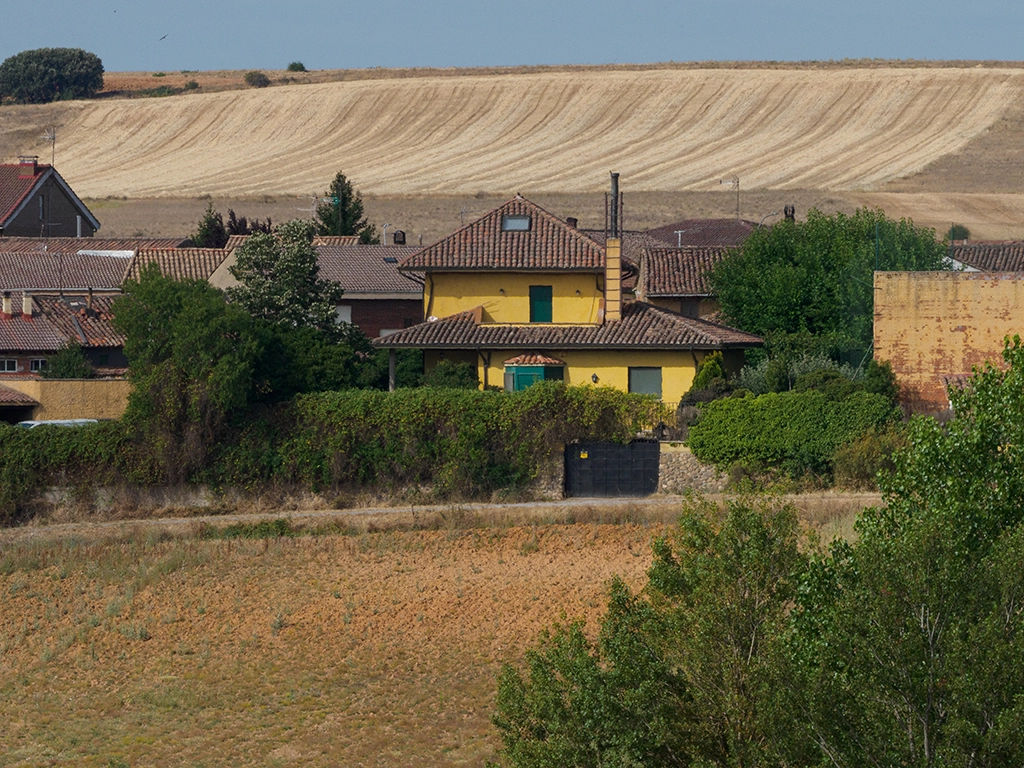
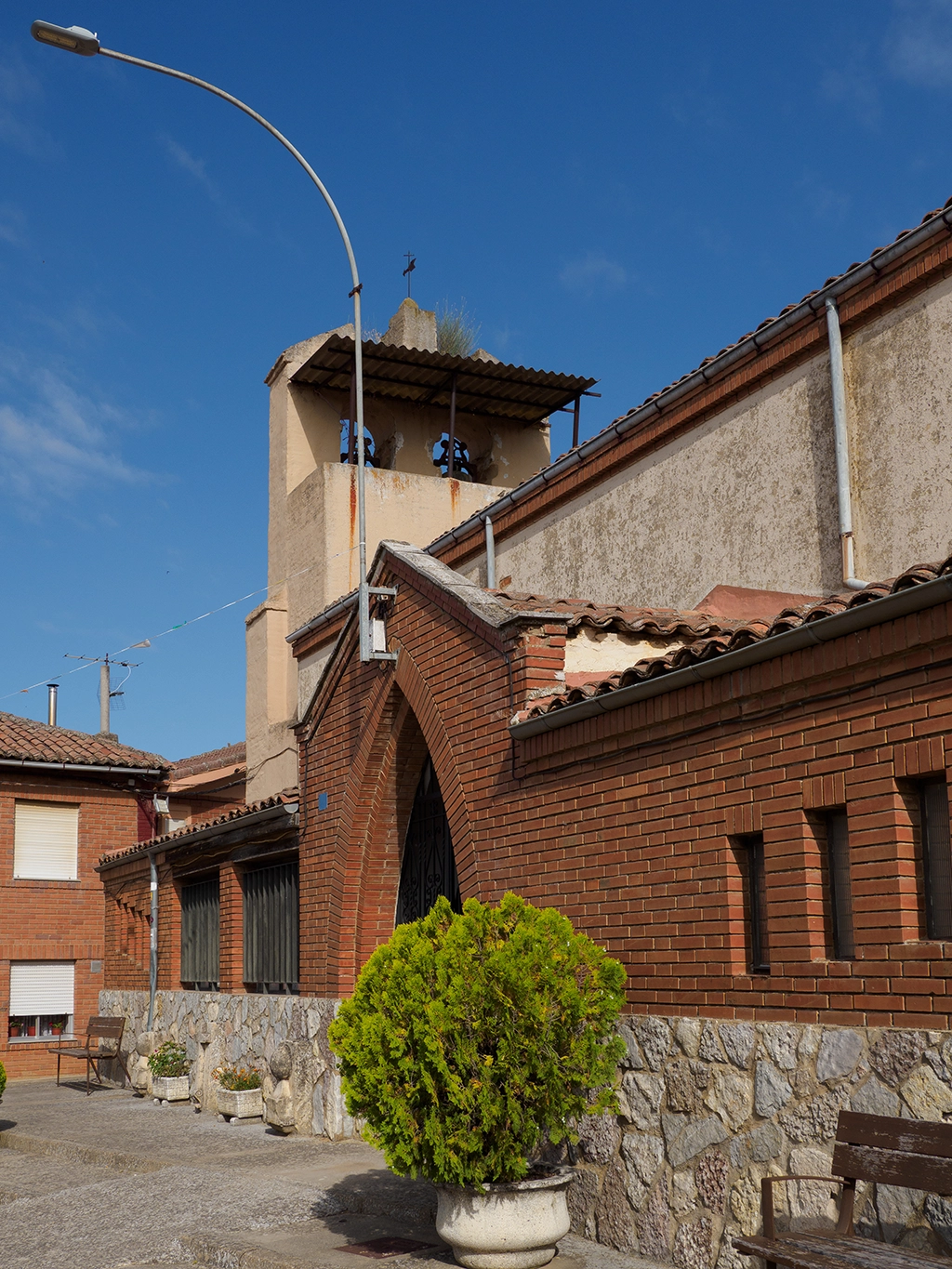
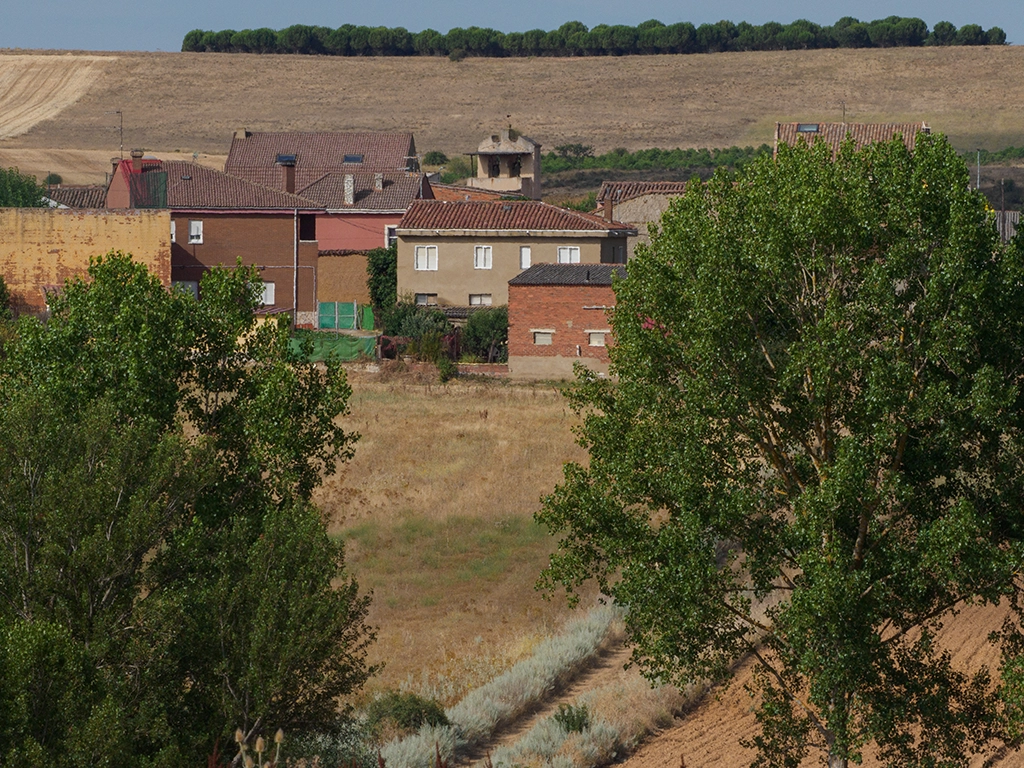
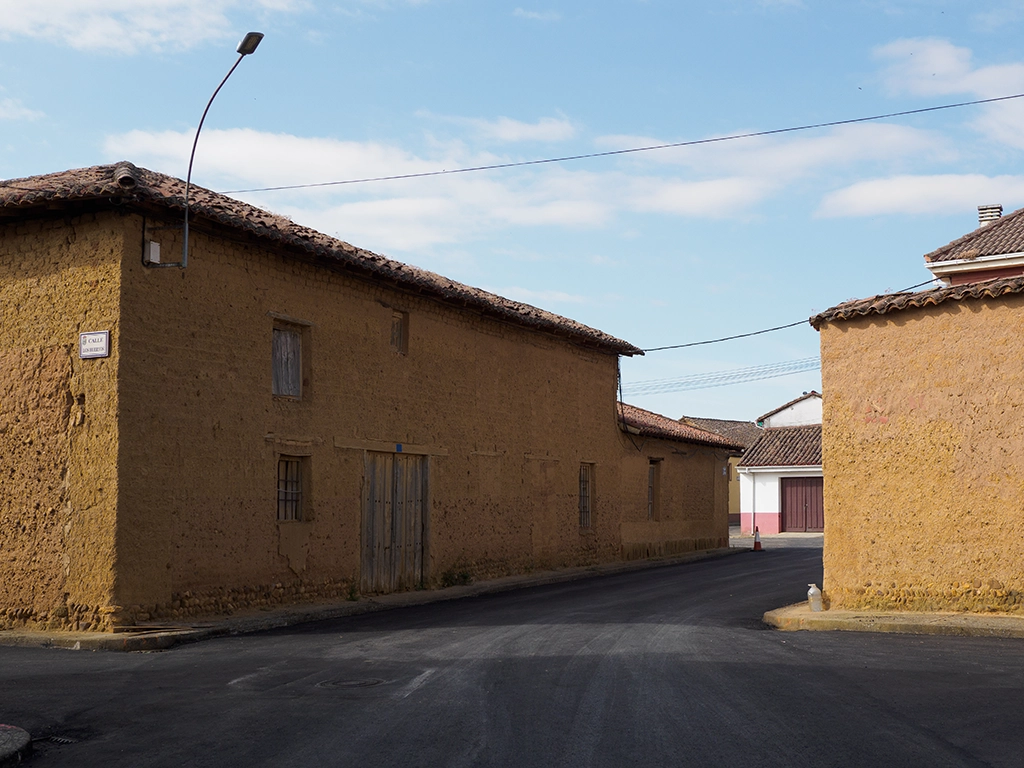
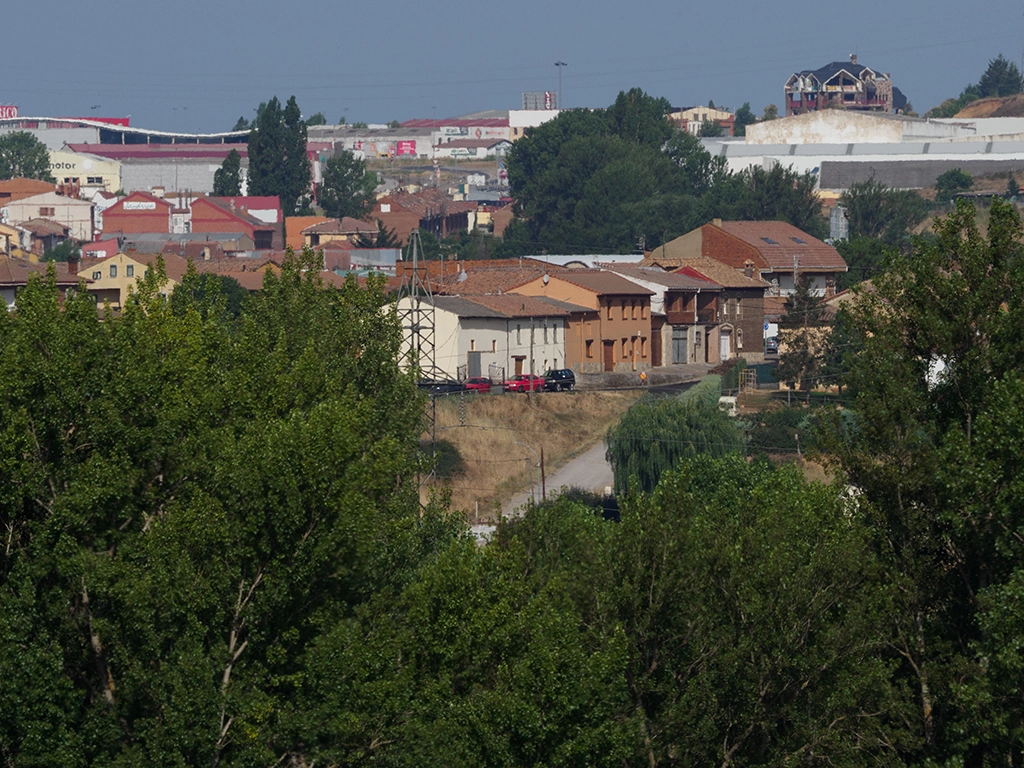
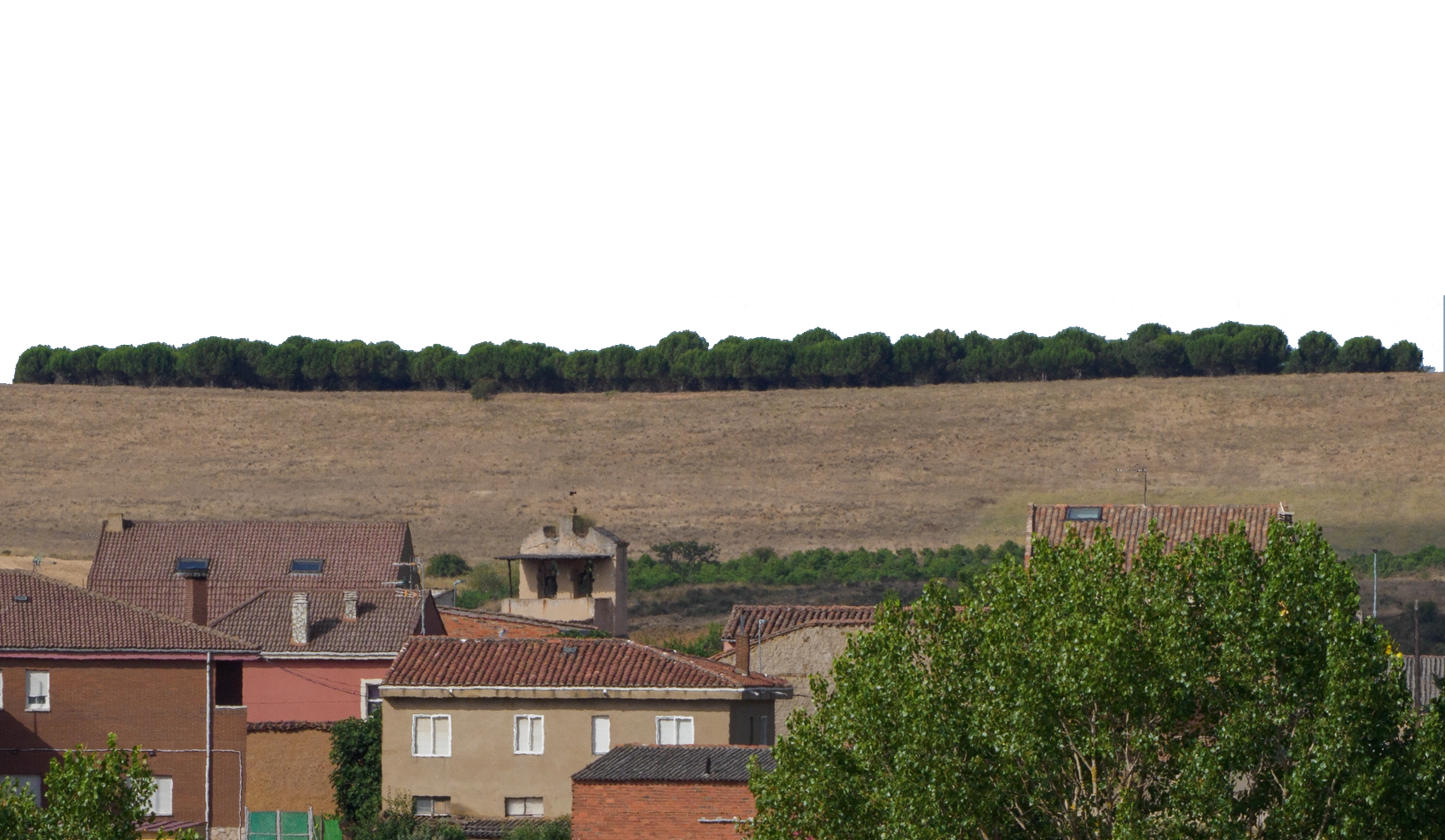
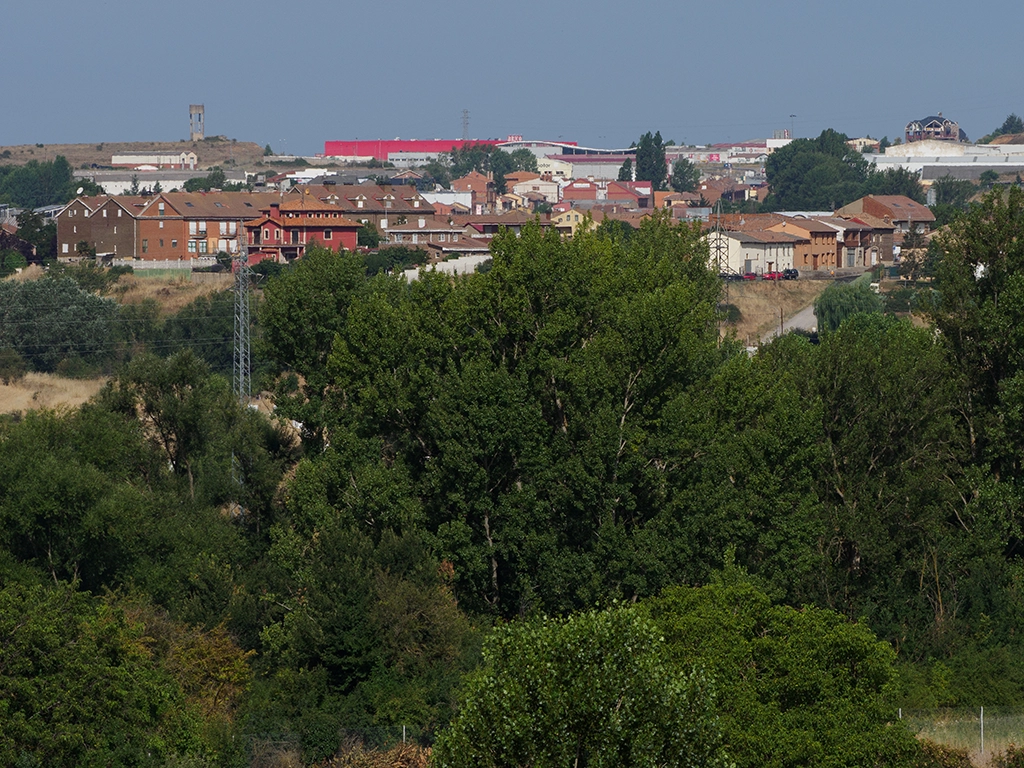
A few kilometers from León, Arcahueja does not present itself as a destination, but as a pause—a place one does not simply pass through, but rather one that slips quietly into the traveler. Among adobe houses and heavy wooden gates, its architecture speaks more of necessity than of style, and its history—written in wills, records, and ancient names—preserves the murmur of a time not yet fully erased. Here, nothing imposes itself: not the past, not the landscape, not the present. Everything endures, silent and unyielding, as if the village had always known that its true value lies in never forgetting how to inhabit the world without haste. Ideal for walking without urgency, for feeling the weight of the earth and the echo of memory.
A few kilometers from León, Arcahueja does not present itself as a destination, but as a pause—a place one does not simply pass through, but rather one that slips quietly into the traveler. Among adobe houses and heavy wooden gates, its architecture speaks more of necessity than of style, and its history—written in wills, records, and ancient names—preserves the murmur of a time not yet fully erased. Here, nothing imposes itself: not the past, not the landscape, not the present. Everything endures, silent and unyielding, as if the village had always known that its true value lies in never forgetting how to inhabit the world without haste. Ideal for walking without urgency, for feeling the weight of the earth and the echo of memory.
There are places one enters almost without noticing, as if there were no clear line separating “being outside” from “already being within,” and Arcahueja is one of them. One comes from León, and upon arriving here, one doesn’t feel they’ve reached a new place, but rather a suspension in time—not a destination, not even a stage along the way, but a quiet delay of time itself. Nothing is interrupted in Arcahueja, but nothing hurries either: everything continues in its own way, as if the present had not quite succeeded in erasing the old ways of belonging.

The first thing one notices—if walking slowly, letting oneself be guided by the rhythm of footsteps rather than the urgency of knowing—is that the houses seem built not to show off, but to endure. Adobe, brick, dark woods, heavy gates… everything speaks of a time when architecture was not about style, but survival. Each house has two bodies, as if aware that it must inhabit not only space but also time. Above: the rooms where one sleeps or grows old. Below: the kitchen near the ground, close to heat and origin. Beyond that: the hayloft and the pen—not add-ons, but extensions of life. One sleeps, one eats, one stores, one tills. Everything is part of the same whole.
At times, one wonders how much of what we still see is real, and how much already belongs to memory—that memory which never lies, but neither does it correct. Because Arcahueja is not only made of houses, paths, or fields, but also of words written centuries ago, of names no longer spoken, of lands ceded, and of wills that read like novels. In November of the year 1017, the men of the village pledged their lands to the bishop Pelayo of León—and any who failed to uphold the pact would forfeit them. That was perhaps the first written act of belonging, and from then on, the documents continued, as if someone had wanted to prove that history lived here too, even if modestly.
Names return like refrains: Urraca Roderici, Sancha Roderici, Pedro Didaci, Rodrigo Gundinsalvi, María Lupi, Juan Cibriánez, Domingo Martínez… each with their land, their vineyard, their share in the bago of Rabiza or their meadow in Yuso. What is bought, what is given, what is willed: all are forms of saying “this was mine” or more precisely, “this was part of my passing through the world.” These deeds feel like letters sent to a future that didn’t always reply, but at least preserved the paper.
And so we arrive at the Ensenada Cadastre in 1753, which already refers to the village as Santa María de Arcahueja. Sixteen households, most of them farmers. Two tailors, a tavern, a soldier. Eladía Fernández, a widow with six children. María Fernández, another widow, with four. They earn four reales a day, including bread and warmth. They pay for meat, for levies, for tools. Nothing is wasted; everything has a cost. Even ignorance comes at a price: wheat is delivered to José Ramírez, a resident of León, and no one knows why.
Madoz, in 1845, still sees in Arcahueja a church dedicated to Santa María, some forest, good meadows, some wheat, rye, and inferior wine. He also notes abandoned paths and a healthy climate. What he does not say—perhaps because he did not see it—is that stillness that is not resignation, but a different way of being in the world: an old way, perhaps incomprehensible today, of inhabiting without display.
And that is what remains: a quiet form of resistance that does not recognize itself as such. Arcahueja does not offer itself, does not embellish itself, does not explain itself. It is simply there. On the border between the city and the plain. At the edge of what once was and what still endures. As if saying, without voice but with all its being, that no progress is worthwhile if it forgets what sustained us. That the future is not built only with plans, but also with memories buried in clay soil and silences more enduring than brick.
There are places one enters almost without noticing, as if there were no clear line separating “being outside” from “already being within,” and Arcahueja is one of them. One comes from León, and upon arriving here, one doesn’t feel they’ve reached a new place, but rather a suspension in time—not a destination, not even a stage along the way, but a quiet delay of time itself. Nothing is interrupted in Arcahueja, but nothing hurries either: everything continues in its own way, as if the present had not quite succeeded in erasing the old ways of belonging.
The first thing one notices—if walking slowly, letting oneself be guided by the rhythm of footsteps rather than the urgency of knowing—is that the houses seem built not to show off, but to endure. Adobe, brick, dark woods, heavy gates… everything speaks of a time when architecture was not about style, but survival. Each house has two bodies, as if aware that it must inhabit not only space but also time. Above: the rooms where one sleeps or grows old. Below: the kitchen near the ground, close to heat and origin. Beyond that: the hayloft and the pen—not add-ons, but extensions of life. One sleeps, one eats, one stores, one tills. Everything is part of the same whole.
At times, one wonders how much of what we still see is real, and how much already belongs to memory—that memory which never lies, but neither does it correct. Because Arcahueja is not only made of houses, paths, or fields, but also of words written centuries ago, of names no longer spoken, of lands ceded, and of wills that read like novels. In November of the year 1017, the men of the village pledged their lands to the bishop Pelayo of León—and any who failed to uphold the pact would forfeit them. That was perhaps the first written act of belonging, and from then on, the documents continued, as if someone had wanted to prove that history lived here too, even if modestly.
Names return like refrains: Urraca Roderici, Sancha Roderici, Pedro Didaci, Rodrigo Gundinsalvi, María Lupi, Juan Cibriánez, Domingo Martínez… each with their land, their vineyard, their share in the bago of Rabiza or their meadow in Yuso. What is bought, what is given, what is willed: all are forms of saying “this was mine” or more precisely, “this was part of my passing through the world.” These deeds feel like letters sent to a future that didn’t always reply, but at least preserved the paper.
And so we arrive at the Ensenada Cadastre in 1753, which already refers to the village as Santa María de Arcahueja. Sixteen households, most of them farmers. Two tailors, a tavern, a soldier. Eladía Fernández, a widow with six children. María Fernández, another widow, with four. They earn four reales a day, including bread and warmth. They pay for meat, for levies, for tools. Nothing is wasted; everything has a cost. Even ignorance comes at a price: wheat is delivered to José Ramírez, a resident of León, and no one knows why.
Madoz, in 1845, still sees in Arcahueja a church dedicated to Santa María, some forest, good meadows, some wheat, rye, and inferior wine. He also notes abandoned paths and a healthy climate. What he does not say—perhaps because he did not see it—is that stillness that is not resignation, but a different way of being in the world: an old way, perhaps incomprehensible today, of inhabiting without display.
And that is what remains: a quiet form of resistance that does not recognize itself as such. Arcahueja does not offer itself, does not embellish itself, does not explain itself. It is simply there. On the border between the city and the plain. At the edge of what once was and what still endures. As if saying, without voice but with all its being, that no progress is worthwhile if it forgets what sustained us. That the future is not built only with plans, but also with memories buried in clay soil and silences more enduring than brick.

Discover Sobrarriba through an unforgettable journey through its heritage, culture and landscapes. The Sobrarriba Cultural Route offers guided tours and detailed explanations at various points of interest, combining history, architecture, traditions and nature in a unique experience.
Each route is designed to suit different types of travellers: from walkers and cyclists to those who prefer horse riding or even hot air ballooning. Join us on a journey through time and delve into the secrets of a land that has witnessed centuries of history.

Discover Sobrarriba through an unforgettable journey through its heritage, culture and landscapes. The Sobrarriba Cultural Route offers guided tours and detailed explanations at various points of interest, combining history, architecture, traditions and nature in a unique experience.
Each route is designed to suit different types of travellers: from walkers and cyclists to those who prefer horse riding or even hot air ballooning. Join us on a journey through time and delve into the secrets of a land that has witnessed centuries of history.