La Sobarriba: Land of deep roots and infinite horizons.
Traditional Architecture
The region of La Sobarriba, located in the province of León, holds a rich heritage of traditional architecture that reflects the customs and way of life of its rural communities. Among the most emblematic constructions are dovecotes, tool sheds, blacksmith forges, waterwheels, washhouses, wine cellars, and communal ovens, each with distinctive characteristics that have endured over time.
Traditional Architecture
The region of La Sobarriba, located in the province of León, holds a rich heritage of traditional architecture that reflects the customs and way of life of its rural communities. Among the most emblematic constructions are dovecotes, tool sheds, blacksmith forges, waterwheels, washhouses, wine cellars, and communal ovens, each with distinctive characteristics that have endured over time.
Traditional Architecture
Distinctive characteristics that have endured over time.
The conservation of these architectural forms is essential for keeping alive the historical memory of La Sobarriba. Recent initiatives—such as the program launched by the Regional Government of Castile and León in collaboration with the Proconsi Foundation—aim to restore and promote the cultural heritage of the region, including the rehabilitation of churches and traditional buildings. These actions not only safeguard local architecture but also promote tourism and sustainable development in this rural landscape.
Dovecotes
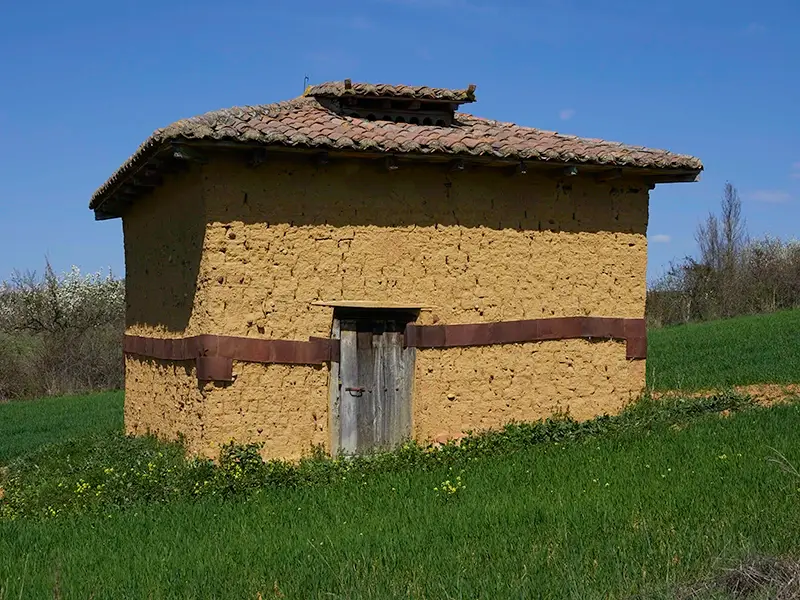
These traditional structures, integrated into agricultural estates, were built to house and breed pigeons. Typically made of local materials such as adobe and rammed earth, dovecotes are often square in shape and entirely enclosed, with a single access door. Inside, numerous niches are arranged for nesting. Beyond their practical use—providing both meat and fertilizer—they represent a distinctive feature of the Leonese rural landscape.
Tool Sheds
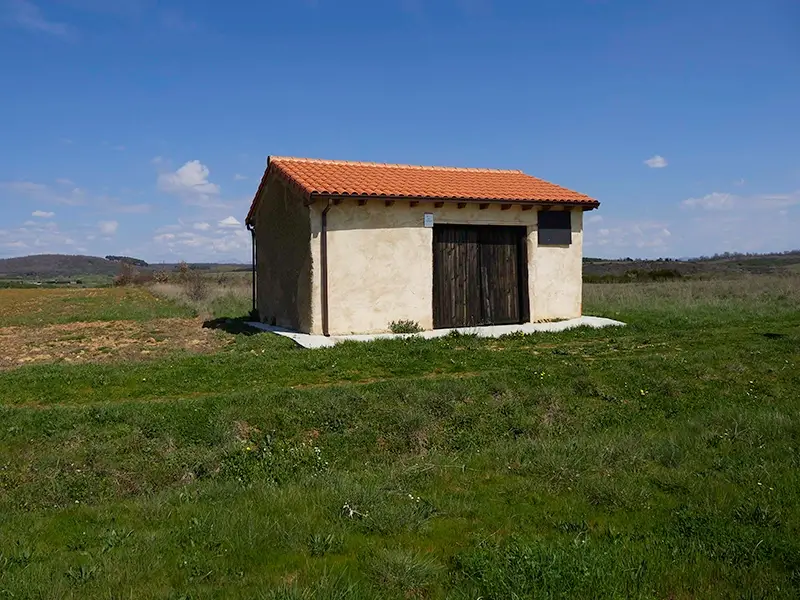
Known locally as casetas de era, these small buildings served to store tools and agricultural equipment. Built with adobe and wood, they reflect the availability of local resources and the practical needs of farmers. Their simple and utilitarian design offers a compelling testimony to the region’s vernacular architecture.
Tool Sheds
Known locally as casetas de era, these small buildings served to store tools and agricultural equipment. Built with adobe and wood, they reflect the availability of local resources and the practical needs of farmers. Their simple and utilitarian design offers a compelling testimony to the region’s vernacular architecture.
Forges
Forges were once vital workshops where blacksmiths crafted and repaired essential tools, horseshoes, and farming implements. Usually located in village centers, these spaces also served as hubs for communal life and cooperation. Constructed with stone or adobe walls and slate roofs, forges form a key element in La Sobarriba’s architectural and cultural heritage.
Waterwheels
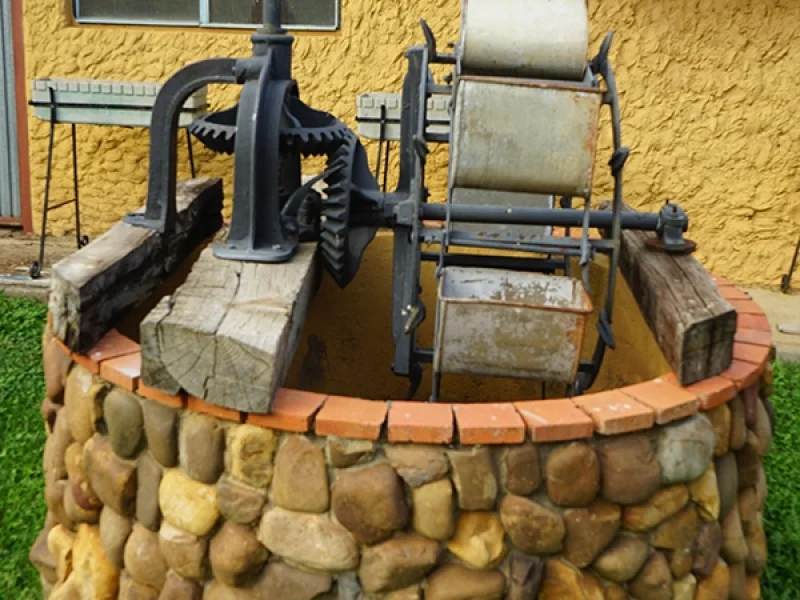
In some orchards and lowlands, waterwheels—either preserved or remembered—bear witness to a quiet revolution in water management. Powered by animals or manual labor, and made from wood, iron, and stone, they lifted water for irrigation, crucial in the dry climate. Some have been restored as ethnographic landmarks, embodying the ingenuity of traditional rural life.
Waterwheels
In some orchards and lowlands, waterwheels—either preserved or remembered—bear witness to a quiet revolution in water management. Powered by animals or manual labor, and made from wood, iron, and stone, they lifted water for irrigation, crucial in the dry climate. Some have been restored as ethnographic landmarks, embodying the ingenuity of traditional rural life.
Washhouses
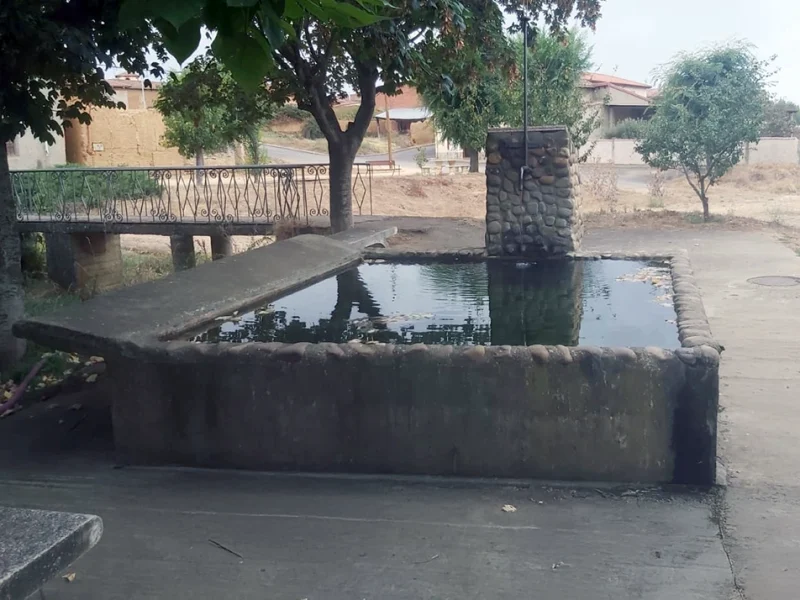
Essential for communal life, washhouses were typically built near streams, springs, or wells. Roofed or open-air, made from stone or cement, they were social spaces where women would wash clothes, exchange news, sing, and share everyday experiences. Though no longer in use, their preservation offers a glimpse into the intimate world of rural sociability.
Wine Cellars
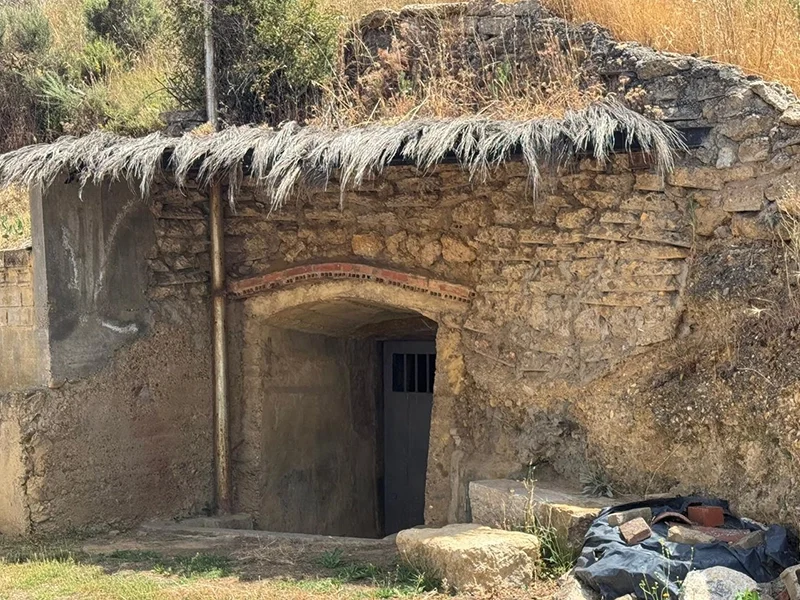
Often dug into hillsides or partially buried underground, these cellars are both practical and symbolic. Wine was traditionally produced and stored here in clay jars and wooden barrels, in conditions of consistent coolness. Some feature small chimneys as air vents and modest doors that conceal the depth within. Their restoration as ethnographic or gastronomic spaces offers a path to revitalizing traditional uses.
Wine Cellars
Often dug into hillsides or partially buried underground, these cellars are both practical and symbolic. Wine was traditionally produced and stored here in clay jars and wooden barrels, in conditions of consistent coolness. Some feature small chimneys as air vents and modest doors that conceal the depth within. Their restoration as ethnographic or gastronomic spaces offers a path to revitalizing traditional uses.
Communal Ovens
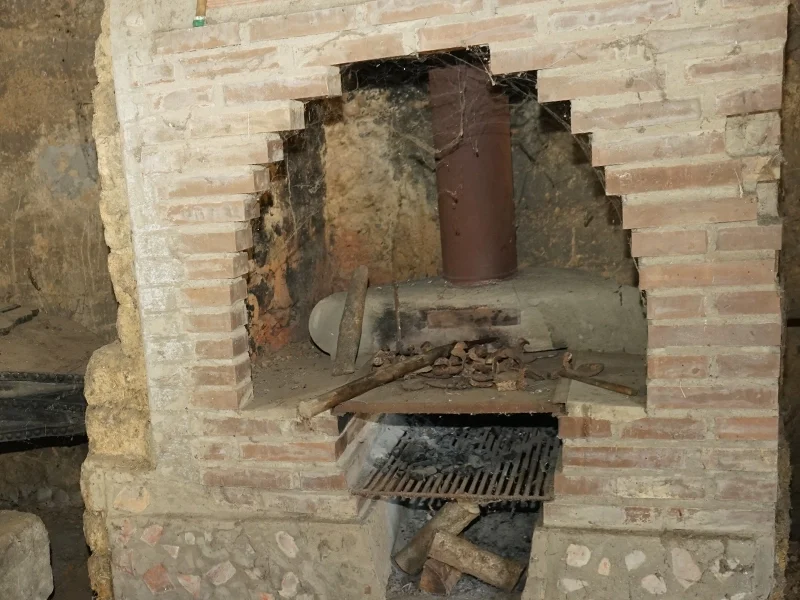
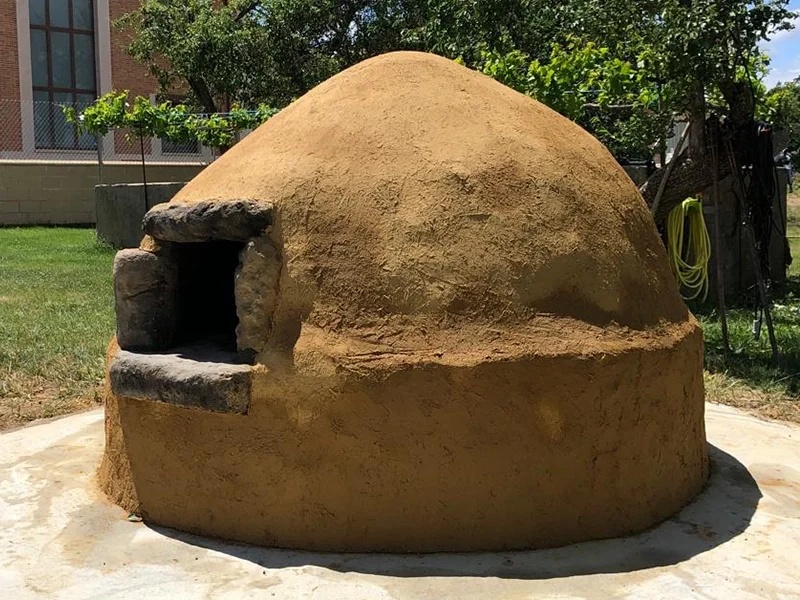
Often collectively owned or shared among families, these bread ovens served as the center of domestic supply. Constructed from adobe, stone, and fired clay, with large arched openings and chimneys, they allowed for the baking of large batches of bread meant to last for weeks. Lit on designated days, they brought together neighbors who shared recipes, tools, and fire. While many are now abandoned, others have been restored or repurposed, preserving their memory and function.
Routes and Activities
Discover Sobrarriba through an unforgettable journey through its heritage, culture and landscapes. The Sobrarriba Cultural Route offers guided tours and detailed explanations at various points of interest, combining history, architecture, traditions and nature in a unique experience.
Each route is designed to suit different types of travellers: from walkers and cyclists to those who prefer horse riding or even hot air ballooning. Join us on a journey through time and delve into the secrets of a land that has witnessed centuries of history.
Discover Sobrarriba through an unforgettable journey through its heritage, culture and landscapes. The Sobrarriba Cultural Route offers guided tours and detailed explanations at various points of interest, combining history, architecture, traditions and nature in a unique experience.
Each route is designed to suit different types of travellers: from walkers and cyclists to those who prefer horse riding or even hot air ballooning. Join us on a journey through time and delve into the secrets of a land that has witnessed centuries of history.