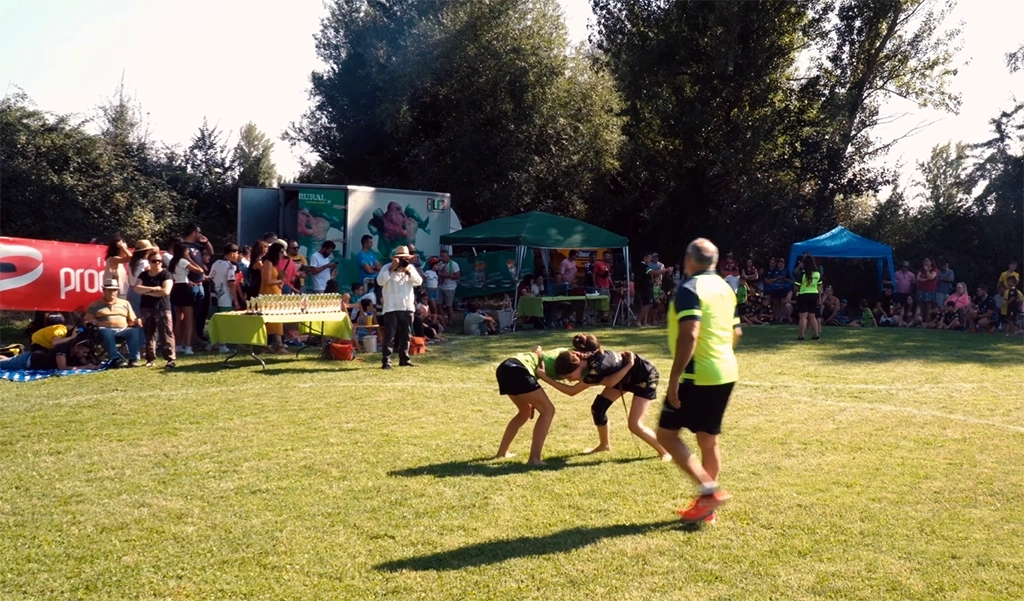
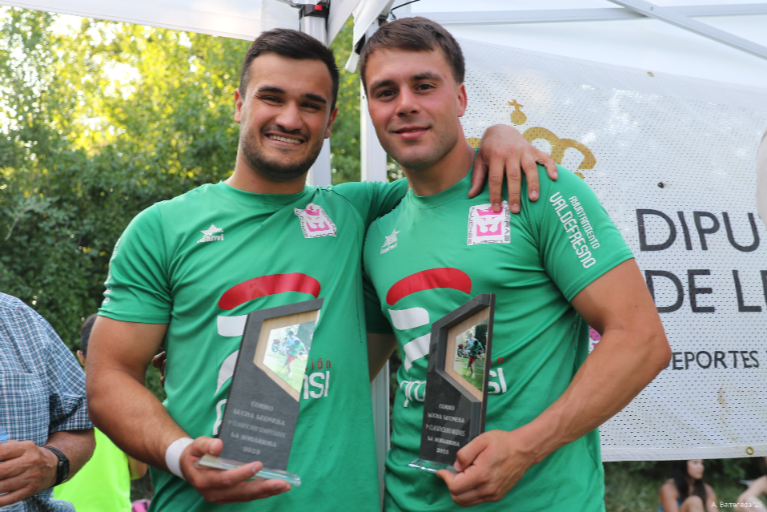
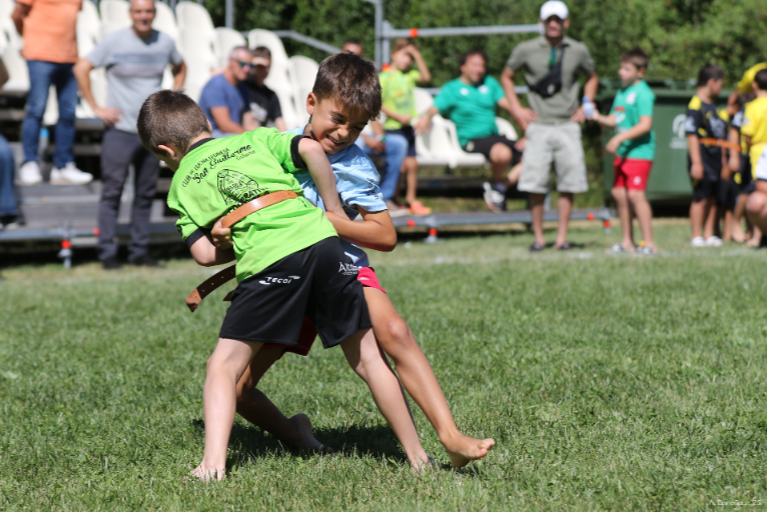
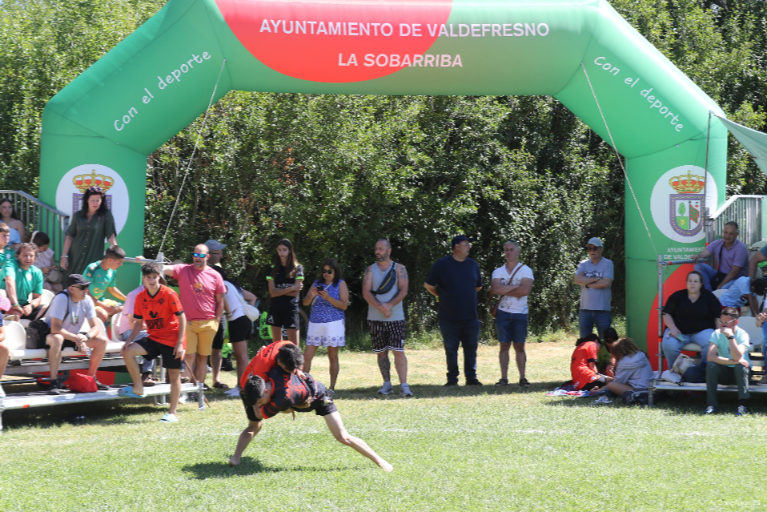
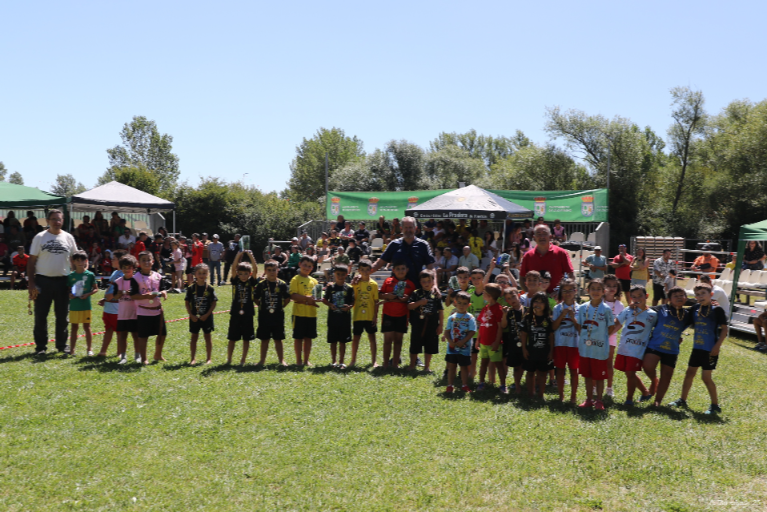
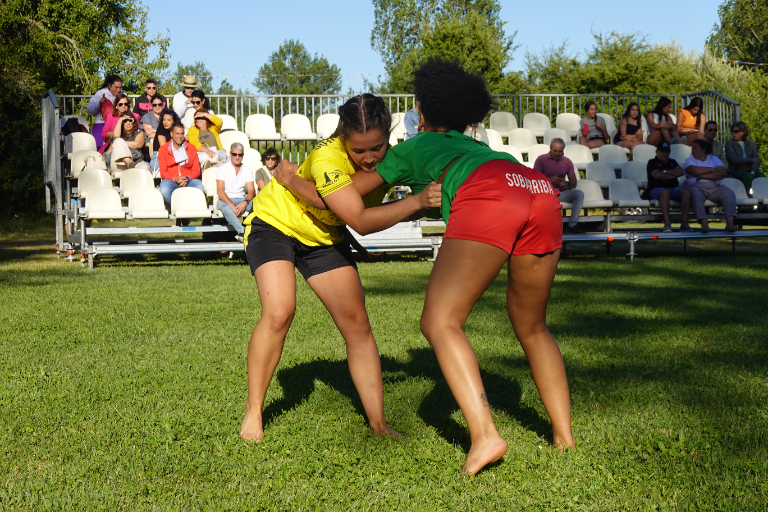
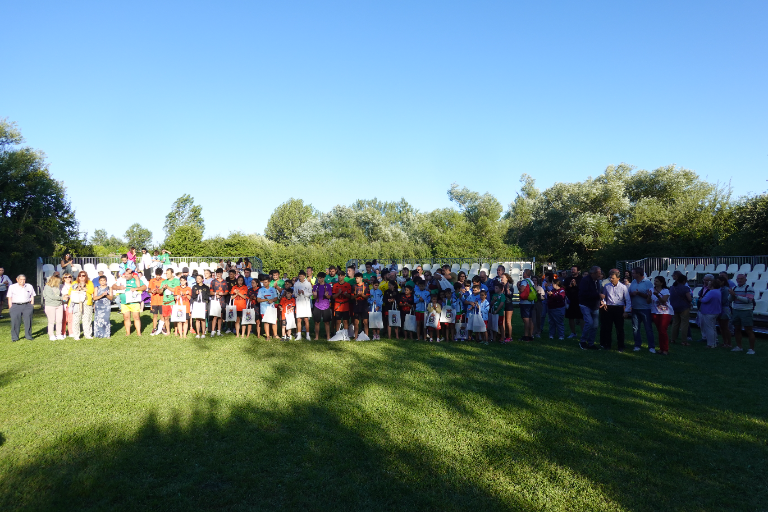
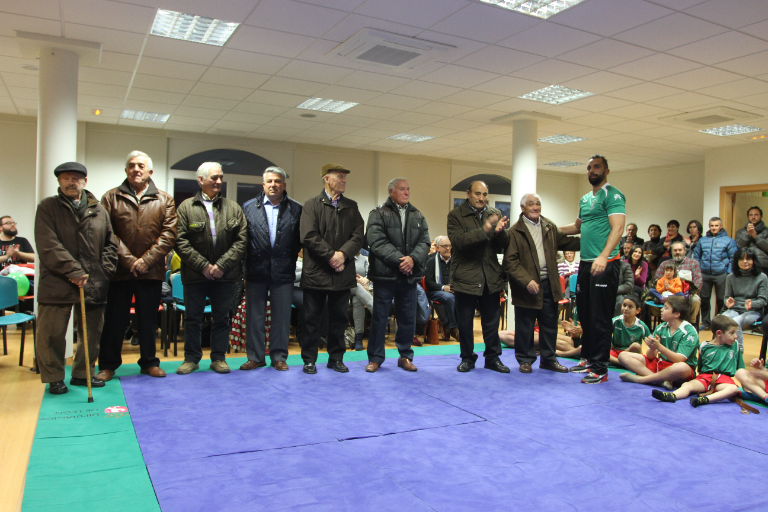
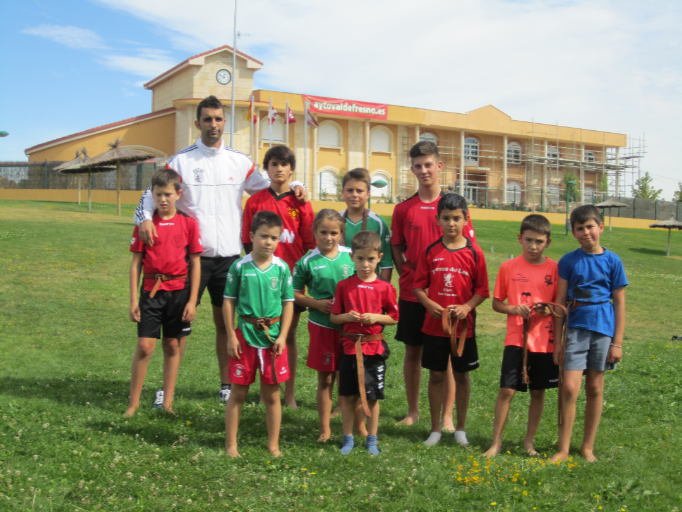
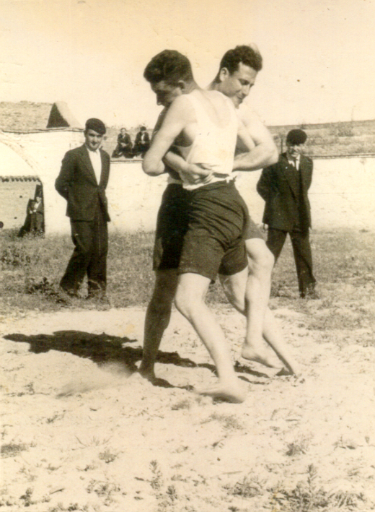
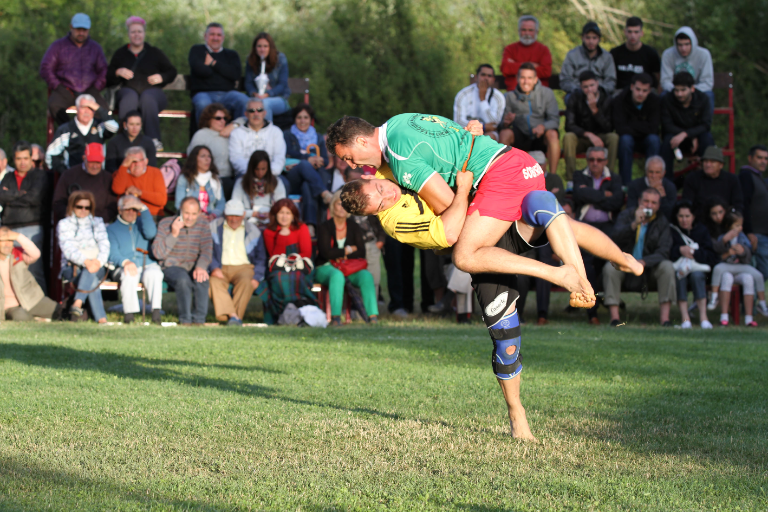
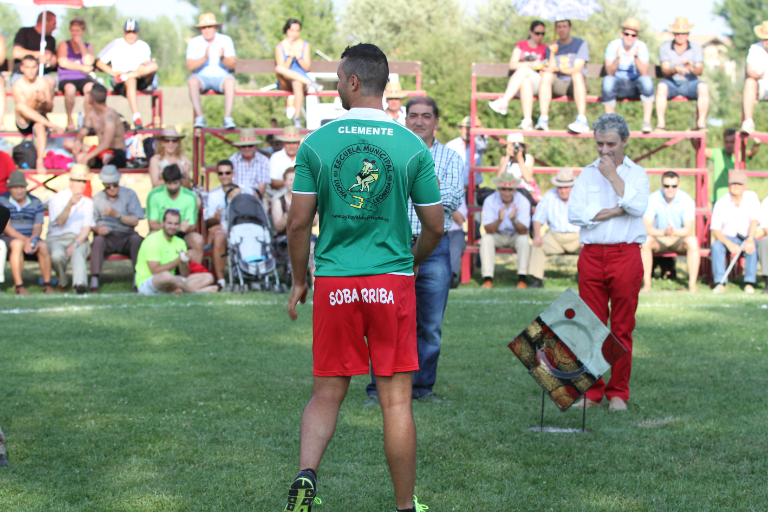
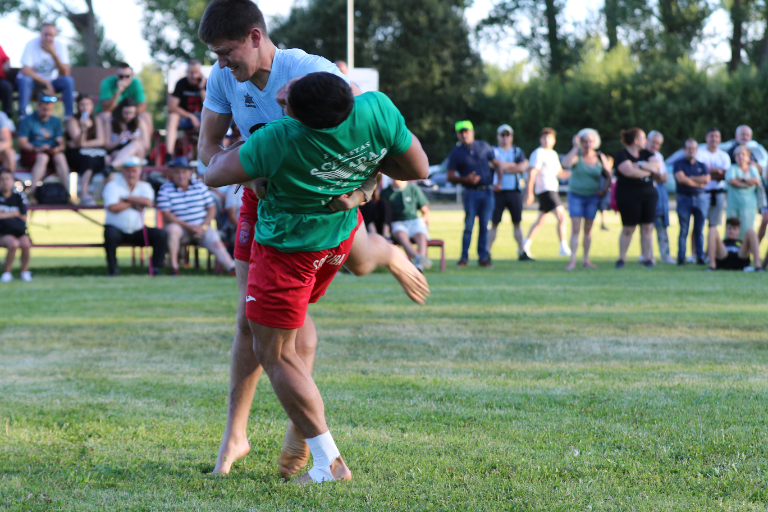
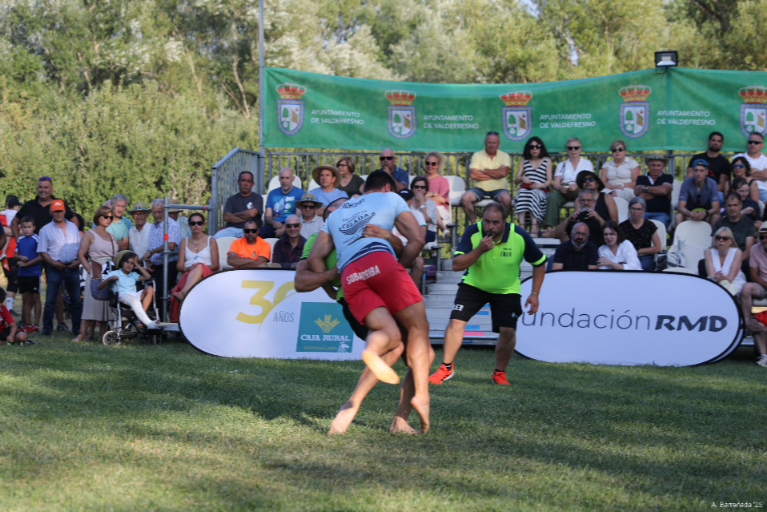
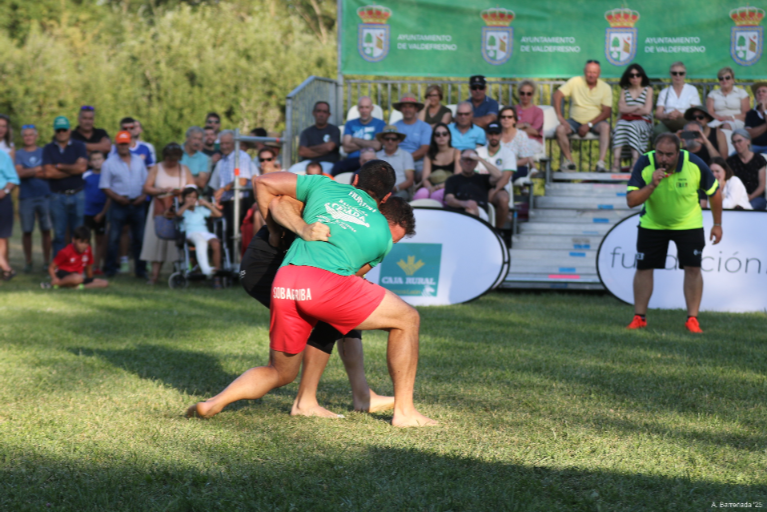
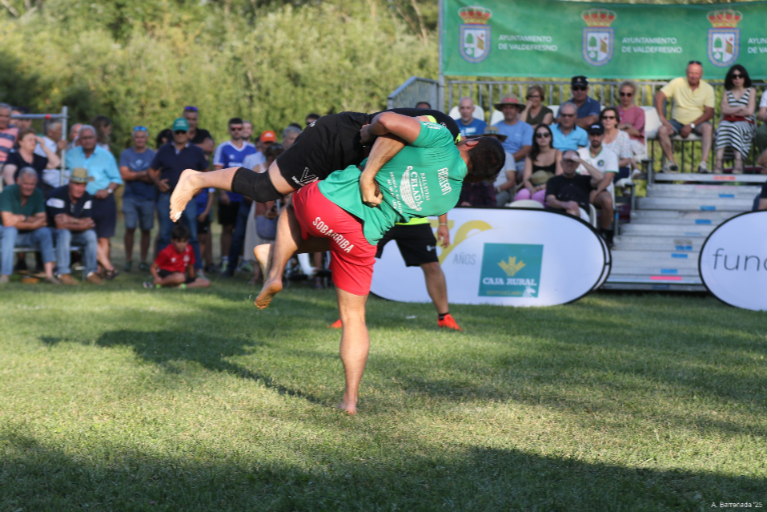
In La Sobarriba, Leonesa wrestling is not simply a traditional sport, but rather an inherited way of relating to the land, the body and the community. Where the fields open up into gentle plains and the villages cluster around threshing floors, fountains and communal meadows, wrestling appears as an ancient, almost inevitable gesture, born of direct contact between men accustomed to measuring their strength not to dominate, but to recognise each other as equals.
In La Sobarriba, Leonesa wrestling is not simply a traditional sport, but rather an inherited way of relating to the land, the body and the community. Where the fields open up into gentle plains and the villages cluster around threshing floors, fountains and communal meadows, wrestling appears as an ancient, almost inevitable gesture, born of direct contact between men accustomed to measuring their strength not to dominate, but to recognise each other as equals.

The importance of Leonese wrestling in La Sobarriba also lies in its educational and moral character. Wrestling was not about humiliating the other, but about learning to fall, to get up, to accept defeat with dignity and victory with restraint. The grip on the belt, firm but regulated, represents a specific ethic: force is only legitimate when it is contained by the rules and mutual recognition. In this sense, wrestling is a perfect metaphor for the traditional rural world, where coexistence required balance, restraint and a sense of limits.
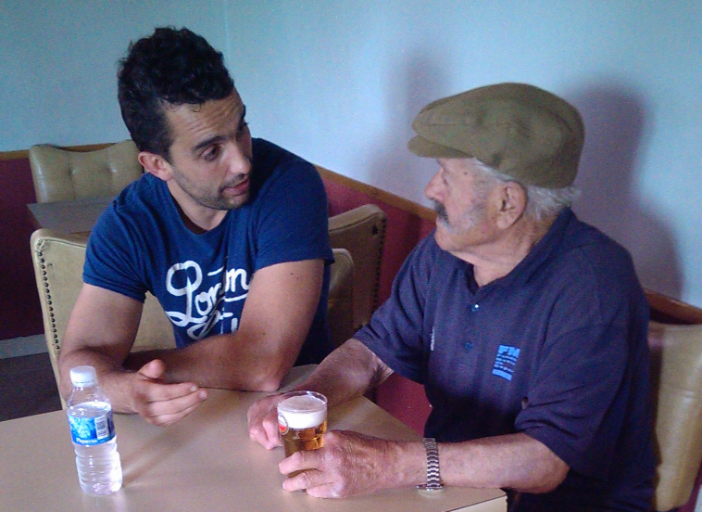
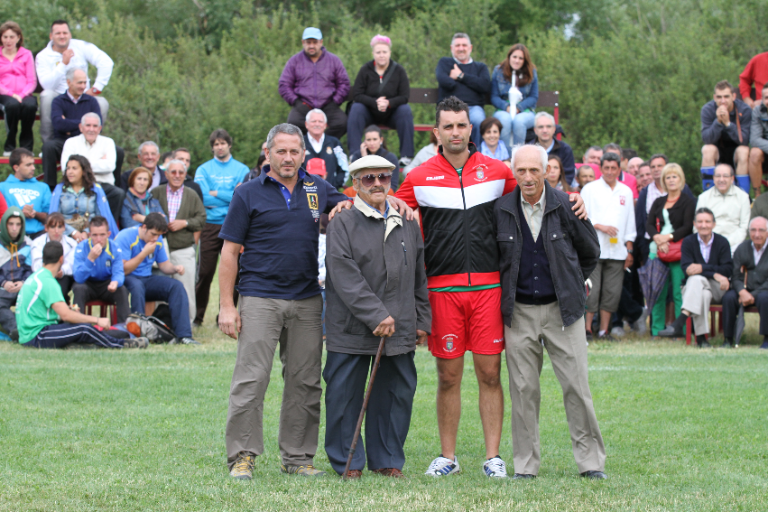
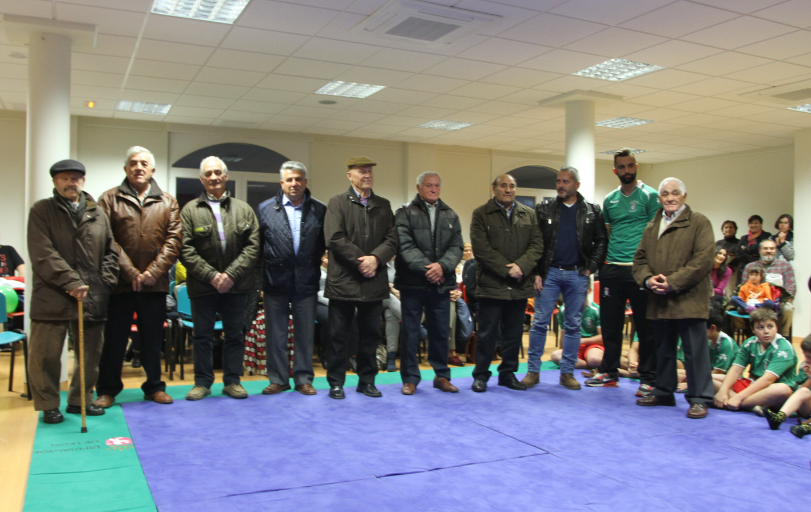
Furthermore, Leonese wrestling forms part of the intangible heritage of La Sobarriba as a living memory. Many names, stories and gestures have been passed down orally: wrestlers remembered not only for their memorable falls, but also for their character, their nobility or their way of entering the ring. Each village preserves anecdotes, nicknames and stories that link wrestling to local identity, turning it into a physical archive of regional history.
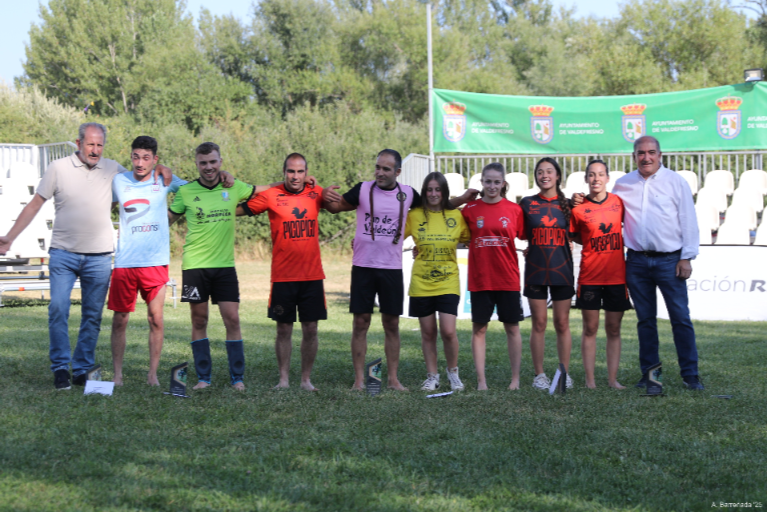
In a territory that today faces the risk of depopulation and the loss of traditions, Leonese wrestling takes on a renewed value. Not as an empty folk spectacle, but as a symbol of continuity, roots and cultural resistance. Keeping wrestling alive in La Sobarriba means keeping alive a way of understanding the body, the community and time; it means affirming that culture is not only written in books or archives, but also in repeated gestures, shared rituals and the memory of bodies that confront and respect each other within a circle.
Thus, the Leonese fight continues to be more than just a tradition in La Sobarriba: it is a profound expression of identity, a way of saying that this territory, although changing, still retains the silent strength of its roots.
In La Sobarriba, as in other regions of the León district, wrestling was practised for centuries in festive and community contexts: pilgrimages, fairs, patron saint celebrations, and gatherings between neighbouring villages. The corro — that circle of trampled grass or beaten earth — functioned as a symbolic space where the everyday hierarchy was suspended. There, neither wealth, age nor lineage mattered, but rather skill, technique and respect for the unwritten rules passed down from generation to generation.
The importance of Leonese wrestling in La Sobarriba also lies in its educational and moral character. Wrestling was not about humiliating the other, but about learning to fall, to get up, to accept defeat with dignity and victory with restraint. The grip on the belt, firm but regulated, represents a specific ethic: force is only legitimate when it is contained by the rules and mutual recognition. In this sense, wrestling is a perfect metaphor for the traditional rural world, where coexistence required balance, restraint and a sense of limits.
Furthermore, Leonese wrestling forms part of the intangible heritage of La Sobarriba as a living memory. Many names, stories and gestures have been passed down orally: wrestlers remembered not only for their memorable falls, but also for their character, their nobility or their way of entering the ring. Each village preserves anecdotes, nicknames and stories that link wrestling to local identity, turning it into a physical archive of regional history.
In a territory that today faces the risk of depopulation and the loss of traditions, Leonese wrestling takes on a renewed value. Not as an empty folk spectacle, but as a symbol of continuity, roots and cultural resistance. Keeping wrestling alive in La Sobarriba means keeping alive a way of understanding the body, the community and time; it means affirming that culture is not only written in books or archives, but also in repeated gestures, shared rituals and the memory of bodies that confront and respect each other within a circle.
Thus, the Leonese fight continues to be more than just a tradition in La Sobarriba: it is a profound expression of identity, a way of saying that this territory, although changing, still retains the silent strength of its roots.

Descubre la Sobarriba a través de un recorrido inolvidable por su patrimonio, cultura y paisajes. La Ruta Cultural de la Sobrarriba ofrece visitas guiadas y explicaciones detalladas en varios puntos de interés, combinando historia, arquitectura, tradiciones y naturaleza en una experiencia única.
Cada ruta está diseñada para adaptarse a diferentes tipos de viajeros: desde caminantes y ciclistas hasta quienes prefieren rutas a caballo o incluso en globo aerostático. Acompáñanos en un viaje en el tiempo y adéntrate en los secretos de una tierra que ha sido testigo de siglos de historia.

Descubre la Sobarriba a través de un recorrido inolvidable por su patrimonio, cultura y paisajes. La Ruta Cultural de la Sobrarriba ofrece visitas guiadas y explicaciones detalladas en varios puntos de interés, combinando historia, arquitectura, tradiciones y naturaleza en una experiencia única.
Cada ruta está diseñada para adaptarse a diferentes tipos de viajeros: desde caminantes y ciclistas hasta quienes prefieren rutas a caballo o incluso en globo aerostático. Acompáñanos en un viaje en el tiempo y adéntrate en los secretos de una tierra que ha sido testigo de siglos de historia.