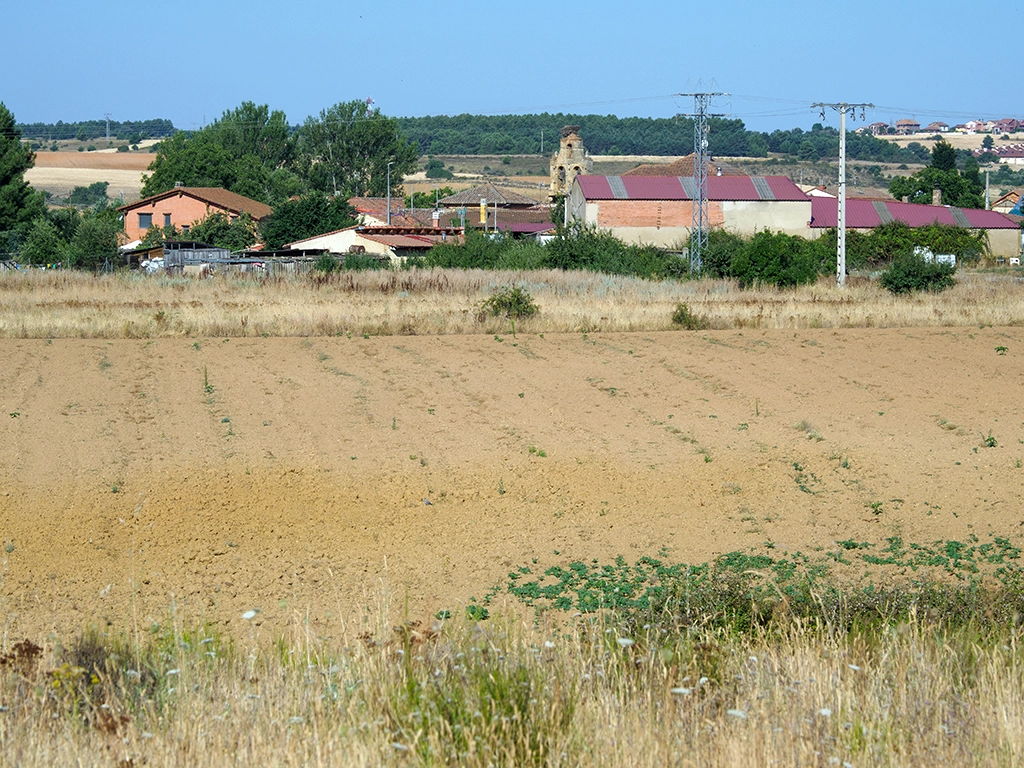
Already mentioned in documents from the year 990, this village was once known as Val de Frexino. Its parish church, unpretentious and serene, houses the images of Saint Cornelius and Saint Cyprian, patrons venerated for centuries, and its Baroque altarpiece speaks more of endurance than of splendor. Throughout the centuries, Valdefresno appears time and again in donations, lawsuits, and inheritances, where vineyards, oxen, and land shaped the lives and deaths of its people.
Already mentioned in documents from the year 990, this village was once known as Val de Frexino. Its parish church, unpretentious and serene, houses the images of Saint Cornelius and Saint Cyprian, patrons venerated for centuries, and its Baroque altarpiece speaks more of endurance than of splendor. Throughout the centuries, Valdefresno appears time and again in donations, lawsuits, and inheritances, where vineyards, oxen, and land shaped the lives and deaths of its people.
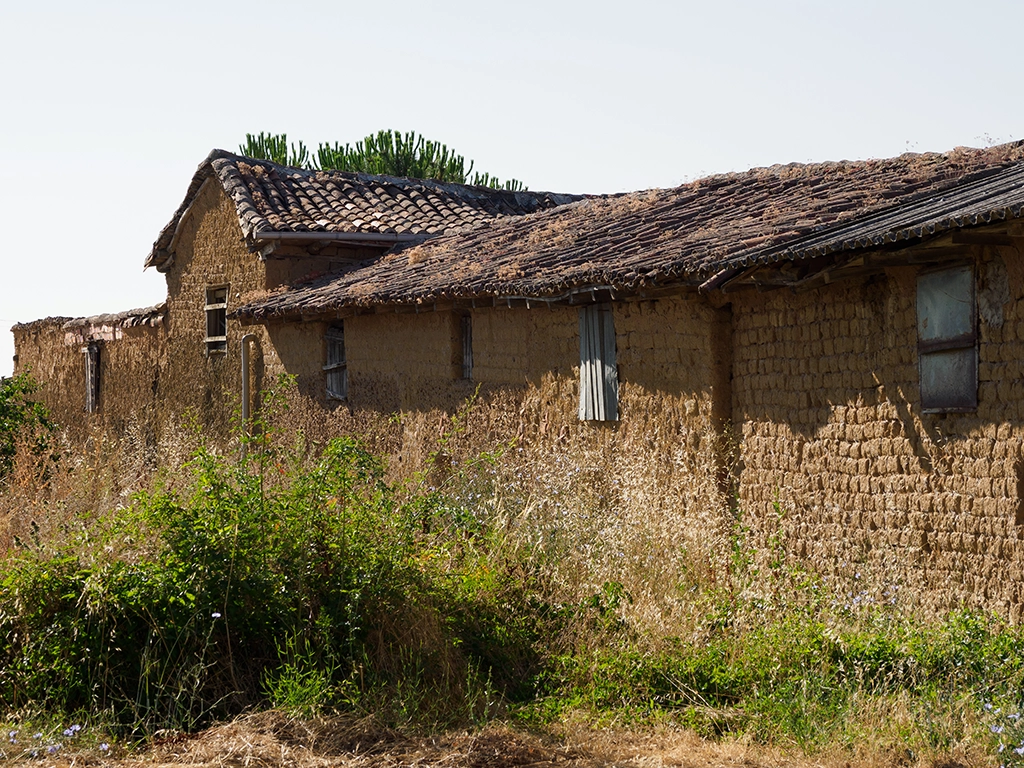
Just a humble façade in a village like so many others. And yet it was there—not in an archive, not in a church, not in a history book—where the stone chose to reappear. When the plaster of a house wall crumbled, a Roman marble bust emerged from the adobe, carved with that distant expression of things that do not need to look in order to see. No one could say for certain how it arrived there. Perhaps from the ancient vineyards of San Martino, perhaps from Villaseca, or maybe from the remnants of Lancia. It might have been reused centuries ago, as was done in times of need and forgetfulness: to raise a wall, mark a path, protect without knowing it was protecting.

And that is Valdefresno: a place where history does not rise in columns nor shine in bronze, but remains trapped within the walls, among repainted altarpieces, in the names of saints still spoken with quiet familiarity. In the year 990, this place—then Val de Frexino—was already mentioned when the monk Pelayo, known by the nickname Zuleiman, donated vineyards and lands between this valley and Navafría. The documentary memory begins there and has never fully faded.
The parish church, modest and without vanity, conserves in its Baroque altarpiece the image of Saint Cornelius, Pope and patron of the village. It is not a celebrated sculpture nor a jewel of sacred art, but it preserves the most difficult thing to retain: the persistence of what continues to be venerated without demands. On the other side of the presbytery, unassuming, stands Saint Cyprian, the other patron, who as early as 1032 appeared in documents among witnesses of vineyards, debts, and intertwined lives. His image does not stand out for its form, but for what it represents: the spirituality of the secondary, a quiet faith that has learned to endure without asking permission.
In 1017, one Pelayo Martínez and his wife bequeathed an estate in this Sobrerriba to the Monastery of Santiago, and in 1027, Count Munio confiscated a vineyard from Ratario for committing a crime. The land of Valdefresno—what was planted in it, what was pulled from it—served as currency, punishment, redemption. In 1032, for a homicide, a vineyard in Valdefresno was offered as reparation. And in 1033, other lands, already called Valdefraxino, changed hands, with oxen as payment. The centuries have not altered human motivations much, only their forms.
But beyond daily worship and sealed documents, Valdefresno holds a larger story. A shared, communal story that transcends its church: that of the Brotherhood of Councils of La Sobarriba, an ancient institution that united the villages of the region under one rule of faith and action. In it, Valdefresno had a voice—and a vote. Alongside Villaturiel, it is one of the two Municipios del Voto: custodians of a centuries-old devotion to Our Lady of the Way, that pilgrim Virgin of León who watched over the kingdom as if it were an extended family.
From that Brotherhood, not only echoes remain, but also the written word. In the 13th century—specifically 1235—vineyards are mentioned here, estates bequeathed by dying priests so the Mass would not cease. In the 14th century, the records of the León Cathedral chapter document loans, resignations, and leases involving lands and rights in Valdefresno. In 1395, twelve maravedís were enough to manage its vineyards. Almost nothing—and yet, almost everything.
Then came the era of censuses. In the Catastro of the Marqués de la Ensenada, initiated in 1753, Valdefresno appears without flourish, with its nine residents, fifteen habitable houses, three loads of hay, beehives and lambs. No glory, but continuity. No epic, but a tale woven in grain, wax, and forge rents.
Later, in 1835, Pascual Madoz listed it as the head of the municipality, sheltering under its name places that now seem from another world: Villa Abdela, Golpejar, Corbillos, Solanilla. The parish of Saints Cornelius and Cyprian was still standing, the elementary school shared benches with Tendal, and life was measured in souls: 1,143 in the entire municipality, as if demographics could also be a form of faith.
Valdefresno has no need to assert itself through monuments. It is content with what endures in layers: the Roman bust that returns without being summoned, the image of the patron never fully restored, the Brotherhood still resonating in the name of the Ayuntamientos del Voto. It is, indeed, the administrative center. But more than that, it is the marrow of a memory not defeated, merely silenced. And which, like that voiceless marble, waits. Because in Valdefresno, even silence remembers.
Just a humble façade in a village like so many others. And yet it was there—not in an archive, not in a church, not in a history book—where the stone chose to reappear. When the plaster of a house wall crumbled, a Roman marble bust emerged from the adobe, carved with that distant expression of things that do not need to look in order to see. No one could say for certain how it arrived there. Perhaps from the ancient vineyards of San Martino, perhaps from Villaseca, or maybe from the remnants of Lancia. It might have been reused centuries ago, as was done in times of need and forgetfulness: to raise a wall, mark a path, protect without knowing it was protecting.
And that is Valdefresno: a place where history does not rise in columns nor shine in bronze, but remains trapped within the walls, among repainted altarpieces, in the names of saints still spoken with quiet familiarity. In the year 990, this place—then Val de Frexino—was already mentioned when the monk Pelayo, known by the nickname Zuleiman, donated vineyards and lands between this valley and Navafría. The documentary memory begins there and has never fully faded.
The parish church, modest and without vanity, conserves in its Baroque altarpiece the image of Saint Cornelius, Pope and patron of the village. It is not a celebrated sculpture nor a jewel of sacred art, but it preserves the most difficult thing to retain: the persistence of what continues to be venerated without demands. On the other side of the presbytery, unassuming, stands Saint Cyprian, the other patron, who as early as 1032 appeared in documents among witnesses of vineyards, debts, and intertwined lives. His image does not stand out for its form, but for what it represents: the spirituality of the secondary, a quiet faith that has learned to endure without asking permission.
In 1017, one Pelayo Martínez and his wife bequeathed an estate in this Sobrerriba to the Monastery of Santiago, and in 1027, Count Munio confiscated a vineyard from Ratario for committing a crime. The land of Valdefresno—what was planted in it, what was pulled from it—served as currency, punishment, redemption. In 1032, for a homicide, a vineyard in Valdefresno was offered as reparation. And in 1033, other lands, already called Valdefraxino, changed hands, with oxen as payment. The centuries have not altered human motivations much, only their forms.
But beyond daily worship and sealed documents, Valdefresno holds a larger story. A shared, communal story that transcends its church: that of the Brotherhood of Councils of La Sobarriba, an ancient institution that united the villages of the region under one rule of faith and action. In it, Valdefresno had a voice—and a vote. Alongside Villaturiel, it is one of the two Municipios del Voto: custodians of a centuries-old devotion to Our Lady of the Way, that pilgrim Virgin of León who watched over the kingdom as if it were an extended family.
From that Brotherhood, not only echoes remain, but also the written word. In the 13th century—specifically 1235—vineyards are mentioned here, estates bequeathed by dying priests so the Mass would not cease. In the 14th century, the records of the León Cathedral chapter document loans, resignations, and leases involving lands and rights in Valdefresno. In 1395, twelve maravedís were enough to manage its vineyards. Almost nothing—and yet, almost everything.
Then came the era of censuses. In the Catastro of the Marqués de la Ensenada, initiated in 1753, Valdefresno appears without flourish, with its nine residents, fifteen habitable houses, three loads of hay, beehives and lambs. No glory, but continuity. No epic, but a tale woven in grain, wax, and forge rents.
Later, in 1835, Pascual Madoz listed it as the head of the municipality, sheltering under its name places that now seem from another world: Villa Abdela, Golpejar, Corbillos, Solanilla. The parish of Saints Cornelius and Cyprian was still standing, the elementary school shared benches with Tendal, and life was measured in souls: 1,143 in the entire municipality, as if demographics could also be a form of faith.
Valdefresno has no need to assert itself through monuments. It is content with what endures in layers: the Roman bust that returns without being summoned, the image of the patron never fully restored, the Brotherhood still resonating in the name of the Ayuntamientos del Voto. It is, indeed, the administrative center. But more than that, it is the marrow of a memory not defeated, merely silenced. And which, like that voiceless marble, waits. Because in Valdefresno, even silence remembers.

Discover Sobrarriba through an unforgettable journey through its heritage, culture and landscapes. The Sobrarriba Cultural Route offers guided tours and detailed explanations at various points of interest, combining history, architecture, traditions and nature in a unique experience.
Each route is designed to suit different types of travellers: from walkers and cyclists to those who prefer horse riding or even hot air ballooning. Join us on a journey through time and delve into the secrets of a land that has witnessed centuries of history.

Discover Sobrarriba through an unforgettable journey through its heritage, culture and landscapes. The Sobrarriba Cultural Route offers guided tours and detailed explanations at various points of interest, combining history, architecture, traditions and nature in a unique experience.
Each route is designed to suit different types of travellers: from walkers and cyclists to those who prefer horse riding or even hot air ballooning. Join us on a journey through time and delve into the secrets of a land that has witnessed centuries of history.